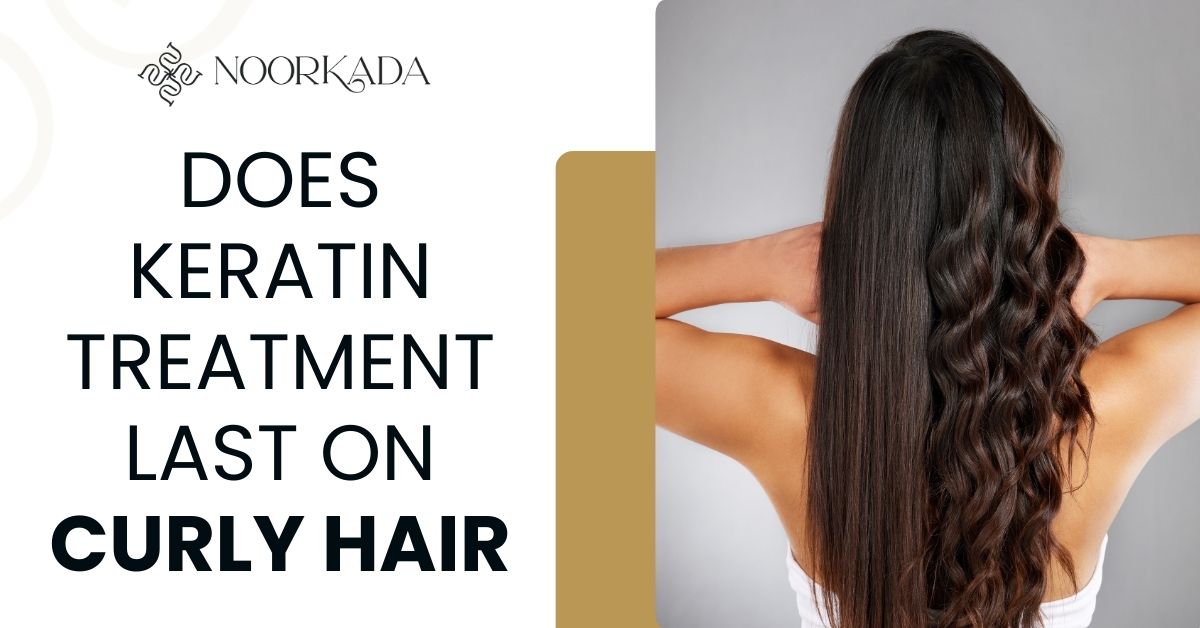
A Keratin Treatment on curly hair is one of the most effective ways to reduce frizz, improve shine, and make daily styling easier. Many people with curls choose this treatment to control dryness while keeping their hair manageable.
On average, professional keratin treatments last between 3 to 6 months on curly hair. The exact duration depends on curl type, hair porosity, washing routine, and the products used at home. Tighter curls may see slightly shorter results compared to loose curls.
At-home keratin treatments usually last 2 to 3 months. They help with temporary smoothness but do not penetrate as deeply as salon-grade formulas. Proper aftercare plays a major role in extending results.
With the right maintenance, including sulfate-free shampoos, minimal heat styling, and regular conditioning, curly hair can stay smoother, softer, and more defined for a longer time after keratin treatment.
| Aspect | Details to Cover |
| Average Duration | Professional: 3-6 months; At-home: 2-3 months |
| Factors Affecting Longevity | Hair type, porosity, washing frequency, products used, environmental factors |
| Curly Hair Specific | How curl pattern changes, impact on different curl types (3A, 3B, 3C, 4A, 4B, 4C) |
| Maintenance Requirements | Sulfate-free products, washing frequency, heat styling, sleeping habits |
| Cost Comparison | Professional: $200-$800; At-home: $50-$150 |
| Re-treatment Timeline | When to get another treatment, signs it’s wearing off |
| Aftercare Products | Shampoos, conditioners, masks, serums, heat protectants |
| Pros for Curly Hair | Frizz reduction, manageability, shine, reduced styling time |
| Cons for Curly Hair | Loosened curl pattern, cost, chemical exposure, time commitment |
What is Keratin Treatment and How Does it Work on Curly Hair?
Keratin Treatment is a hair smoothing process that infuses the hair with keratin protein, which is a natural component of hair. It temporarily seals the hair cuticle, reduces frizz, enhances shine, and makes curls more manageable. Unlike Brazilian blowouts, keratin treatments are more focused on strengthening and smoothing rather than permanently straightening hair. Options include chemical-based or formaldehyde-free formulas, depending on your preference and hair sensitivity.
How Does Keratin Treatment Affect Curly Hair Specifically?
Curly hair reacts differently to keratin because the treatment relaxes curl patterns slightly without removing them entirely. Loose curls (3A-3B) may appear straighter, while tighter curls (4A-4C) soften and become more defined. Results also include reduced frizz, added shine, and easier styling, but the degree of curl alteration varies by hair type and treatment intensity.
What Happens During the Keratin Treatment Process?
The salon process usually takes 2-4 hours. First, hair is washed with a clarifying shampoo, then the keratin formula is applied section by section. After this, a flat iron seals the keratin into the hair cuticle. Immediate results are visible: smoother, shinier, and more manageable curls.
Is Keratin Treatment Permanent or Semi-Permanent?
Keratin treatments are semi-permanent. They gradually wear off with washing and exposure to environmental factors. Unlike permanent straightening, curls return naturally over time, typically within 2-6 months depending on hair type and aftercare practices.
How Long Does Keratin Treatment Actually Last on Curly Hair?
What is the Average Duration for Curly Hair?
For most curly hair types, professional keratin treatments last between 3-6 months, while at-home treatments last 2-3 months. Curly hair may experience shorter results than straight hair because natural curl patterns resist smoothing slightly.
How Does Professional Keratin Treatment Duration Compare?
Salon treatments tend to last longer due to high-quality products and expert application. Professionals ensure even coverage and proper heat sealing, which maximizes the treatment’s longevity.
How Long Do At-Home Keratin Treatments Last on Curls?
DIY or at-home kits are more affordable but generally last only 2-3 months. Challenges include uneven application, lower-quality formulas, and improper heat sealing. While convenient, the trade-off is shorter-lasting results.
Does the Type of Keratin Treatment Affect Duration?
Yes. Express treatments may last 2-3 months, while traditional treatments can last 3-6 months. Formaldehyde-free options are safer but might fade slightly faster than chemical-based formulas. Brand-specific formulations also influence how long the results hold on curly hair.
What Factors Affect How Long Keratin Treatment Lasts on Curly Hair?
Several factors determine how long your Keratin Hair Treatment stays effective on curly hair. Understanding these can help you maximize results and keep your curls smooth for months.
How Does Your Curl Type Impact Treatment Longevity?
Different curl patterns react differently to keratin.
- Type 3A (loose curls): Retains smoothness well.
- Type 3B (springy curls): May need touch-ups sooner.
- Type 3C (tight corkscrews): Smoothness lasts but curls loosen slightly.
- Type 4A-4C (coily/kinky hair): Strong hold, but natural texture may resist full straightening.
Why Does Hair Porosity Matter for Keratin Duration?
- Low porosity: Retains treatment longer, less absorption.
- High porosity: Absorbs more product, but may fade faster.
- Medium porosity: Balanced absorption and longevity.
How Often You Wash Your Hair Affects Longevity
- Ideal: 2-3 washes per week to maintain treatment.
- Daily washing shortens lifespan.
- Dry shampoo is a great alternative for curly hair.
Which Hair Products Can Shorten Treatment Duration?
Avoid shampoos with sulfates, sodium chloride, and alcohol-based products. These ingredients strip keratin, reduce shine, and increase frizz.
How Do Environmental Factors Impact Treatment Lifespan?
- Humidity: Causes frizz and loosens curls.
- Chlorinated or salt water: Reduces treatment effectiveness.
- Sun exposure: Can fade keratin faster.
Does Your Natural Hair Texture Affect Results?
- Coarse vs. fine hair: Coarse hair may need stronger treatment.
- Dense vs. thin hair: Dense hair retains smoothness longer.
- Virgin vs. chemically treated hair: Chemically treated hair may need extra care.
How Does Heat Styling Impact Keratin Longevity?
Frequent flat ironing or blow drying without heat protectants can reduce the lifespan of the treatment. Always use Keratin-safe styling products.
How Can You Make Keratin Treatment Last Longer on Curly Hair?
Proper aftercare is key to keeping your curls smooth and frizz-free for months.
What is the 48-72 Hour Rule After Treatment?
- Do not wash hair for 2-3 days.
- Avoid clips, ponytails, or tying hair tightly.
- Keep hair straight and down to let keratin fully set.
Which Shampoos Should You Use on Keratin-Treated Curly Hair?
- Use sulfate-free, sodium chloride-free, and pH-balanced shampoos.
- Brands that specialize in Keratin Hair Treatment care are ideal.
How Often Should You Wash Keratin-Treated Curly Hair?
- Wash 2-3 times per week to extend smoothness.
- Co-washing is recommended for curly hair.
- Dry shampoo helps refresh hair between washes.
What Conditioners Work Best for Maintaining Treatment?
- Use deep conditioning treatments once a week.
- Leave-in conditioners protect curls and prevent frizz.
- Balance protein and moisture for optimal results.
Are Weekly Hair Masks Necessary for Maintenance?
- Moisturizing masks help maintain smoothness.
- Keratin-infused masks prolong results.
- DIY masks (like argan oil or shea butter) are great alternatives.
How Should You Dry Your Keratin-Treated Curly Hair?
- Air drying is safest for longevity.
- Microfiber towels reduce frizz compared to cotton towels.
- Pat hair gently instead of rubbing.
What Styling Products Help Preserve the Treatment?
- Use serums, oils, and heat protectants.
- Avoid products with sulfates or high alcohol content.
- Anti-frizz products enhance the smoothness of curls.
How Does Your Sleeping Routine Affect Treatment Duration?
- Silk pillowcases reduce friction.
- Protective hairstyles like loose braids or buns prevent damage.
- Use bonnets or scarves for overnight protection.
What Changes Should You Expect in Your Curly Hair After Keratin Treatment?
Understanding the changes helps set realistic expectations for your Keratin Hair Treatment results.
Will Your Curls Be Completely Straight?
Keratin treatment smooths hair but does not permanently straighten curls. Your natural curl pattern will loosen slightly, giving softer, more manageable curls. Expect movement and bounce rather than a flat look.
How Much Frizz Reduction Can You Expect?
Most people see 60-90% frizz reduction depending on curl type and hair health. Treated hair resists humidity better and stays smooth longer, reducing daily styling time.
Will Your Hair Still Look Natural?
Yes. The treatment preserves natural hair movement. Curls may be softer and more defined. Volume might reduce slightly, but the hair looks polished, not artificial.
How Does Keratin Treatment Affect Hair Volume?
Keratin smooths the hair cuticle, reducing puffiness and giving a sleeker appearance. While some volume is lost, the result is more manageable hair that is easier to style and maintain.
What Are the Signs Your Keratin Treatment is Wearing Off?
Knowing when your keratin treatment is fading helps you plan touch-ups and maintain smooth, frizz-free curls.
When Does Frizz Start Returning?
Frizz gradually reappears over time. For most curly hair, this begins 2-4 months after treatment. Early signs include slightly puffier strands and less sleek texture.
How Can You Tell Your Curl Pattern is Reverting?
Your natural curls start to tighten again. Root growth may differ from treated lengths, and new growth will show your hair’s original texture.
What Other Indicators Show Treatment is Fading?
- Hair takes longer to dry.
- Shine decreases, and hair feels less smooth.
- Styling becomes more difficult, with tangles or uneven texture returning.
When Should You Get Your Next Keratin Treatment?
Knowing the right timing for your next Keratin Hair Treatment ensures smooth, frizz-free curls without damaging hair.
How Often Can You Safely Repeat Keratin Treatment?
Most stylists recommend every 3-4 months for curly hair. Avoid exceeding 3-4 treatments per year to maintain hair health and prevent over-processing.
What is the Ideal Timeline for Re-treatment?
Wait until the previous treatment fades completely. For some, root touch-ups may be enough, while others need a full re-treatment to restore smoothness. Overlapping treatments too soon can stress hair strands.
Can You Get Too Many Keratin Treatments?
Yes. Frequent treatments increase hair breakage, dryness, and damage. Stick to recommended intervals, use protective products, and maintain hair between sessions for best results.
What Are the Best Products for Keratin-Treated Curly Hair?
Using the right products extends your Keratin Treatment longevity and keeps curls healthy.
Which Sulfate-Free Shampoos Work Best?
Choose sulfate-free, sodium chloride-free shampoos to avoid stripping keratin. Look for hydrating ingredients like argan oil or keratin-infused formulas. Budget-friendly options and premium brands are available.
What Conditioners Help Maintain Keratin Treatment?
Deep conditioners restore moisture, while daily conditioners maintain softness. Leave-in conditioners help detangle and reduce frizz without weighing hair down.
Are There Specific Serums for Curly Hair After Treatment?
Use lightweight anti-frizz serums to enhance shine and manage curls. Avoid heavy products that can make hair greasy or flat.
Which Heat Protectants Are Best for Treated Hair?
Spray or cream heat protectants are essential for blow-drying or flat ironing. Choose products that protect up to 450°F and provide frizz control.
Do You Need Special Styling Tools?
Use low-heat blow dryers, ceramic flat irons, wide-tooth combs, and microfiber towels to prevent frizz and maintain your keratin-treated curls. Proper tools reduce breakage and preserve smoothness.
What Are the Pros of Keratin Treatment for Curly Hair?
Keratin treatment offers multiple benefits for curly hair, making it easier to style, shiny, and frizz-free.
How Does Keratin Treatment Reduce Frizz?
The treatment seals the hair cuticle, protecting curls from humidity. This results in long-lasting smoothness and controlled frizz, even in damp weather.
Does Treatment Make Curly Hair More Manageable?
Curly hair becomes easier to detangle and style. Daily routines are simplified, and less styling product is needed to maintain curls.
Will Your Hair Be Shinier After Treatment?
Keratin enhances light reflection, giving hair a natural, glossy appearance. It makes curls look healthy and vibrant.
How Much Time Does Keratin Treatment Save Daily?
Blow-dry time is reduced, curls stay defined longer, and your morning styling routine becomes quicker and simpler.
What Are the Cons of Keratin Treatment for Curly Hair?
While keratin offers many benefits, it has some potential downsides that curly-haired individuals should consider.
Will You Lose Your Natural Curl Pattern?
Keratin can loosen curls temporarily. Degree of straightening depends on hair type and treatment type. Curls gradually return after 2-4 months.
Are There Health Concerns with Keratin Treatments?
Some treatments contain formaldehyde, which can cause irritation. Formaldehyde-free options exist and are safer, especially during pregnancy.
How Expensive is Maintenance?
Ongoing costs include sulfate-free shampoos, conditioners, serums, and periodic salon visits. These can add up depending on hair length and curl density.
Can Keratin Treatment Damage Curly Hair?
Excessive heat and chemicals can cause hair breakage or dryness. Proper application and post-treatment care are essential to minimize risks.
What Are the Time Commitments Required?
Initial treatment takes 2-4 hours in a salon. Maintenance includes careful washing, protective styling, and planning re-treatments every 3-4 months.
How Does Professional vs. At-Home Treatment Compare for Curly Hair?
Curly hair reacts differently to professional and at-home keratin treatments. Choosing the right option depends on your hair type, budget, and desired results.
What Are the Benefits of Professional Keratin Treatment?
Salon treatments use expert techniques and high-quality products. They provide longer-lasting results, better frizz control, and are ideal for thick, coarse curls. Professional stylists can also customize treatment for your specific curl type.
What Are the Advantages of At-Home Treatment?
At-home treatments offer cost savings, convenience, and privacy. You can apply them on your own schedule, but results may not match professional standards.
Which Option Lasts Longer on Curly Hair?
Professional treatments last 4-6 months, while at-home treatments typically last 2-3 months. Consider cost vs. longevity when deciding which option is best for your curls.
Is At-Home Treatment Safe for Curly Hair?
Safety depends on careful application. Improper technique can cause uneven results or heat damage. Follow instructions strictly and avoid over-processing.
What Should You Avoid After Keratin Treatment on Curly Hair?
Post-treatment care is crucial for maintaining results and protecting your natural curls.
Why Should You Avoid Sulfates?
Sulfates strip keratin from hair, causing frizz to return quickly. Use sulfate-free shampoos and read ingredient labels carefully to preserve your treatment.
Can You Swim After Keratin Treatment?
Chlorine and salt water can damage keratin-treated hair. Always rinse hair thoroughly and use protective swim caps to minimize damage.
Should You Avoid Heat Styling?
Excessive heat can reduce keratin longevity. Stick to safe heat levels, limit styling frequency, and always use heat protectants.
What Hairstyles Should You Avoid?
Avoid tight ponytails, braids, or updos immediately after treatment. Hair ties that crease or pull the hair can undo smoothness and damage strands.
How Do Different Curl Types Respond to Keratin Treatment?
Keratin treatment affects each curl type differently. Understanding your curl pattern helps set realistic expectations for results and maintenance.
How Does Treatment Work on Type 3A Curls?
Type 3A curls are loose, soft waves. Keratin treatment reduces frizz, smooths strands, and slightly loosens waves without fully straightening them. Results usually last 3-4 months, and using sulfate-free shampoos helps maintain smoothness.
What Happens to Type 3B Curls After Treatment?
Type 3B curls are springy and medium-textured. Treatment tames frizz, enhances shine, and gives hair a softer feel. Regular leave-in conditioners and heat protectants ensure longer-lasting effects. Duration can be 4-5 months depending on care.
How Long Does Treatment Last on Type 3C Hair?
Type 3C curls are tighter and more voluminous. Keratin treatment may slightly loosen curl patterns and reduce frizz. Proper post-treatment care, including deep conditioning and gentle detangling, can extend results up to 5-6 months.
Is Keratin Treatment Effective on Type 4 Coily Hair?
4A-4C hair is densely coiled and highly textured. Keratin treatment works best when combined with professional smoothing techniques. Results may be more subtle, focusing on frizz control and shine. Alternative treatments or repeated sessions may be needed for optimal smoothness.
What Are Alternative Treatments to Keratin for Curly Hair?
Keratin is not the only solution for managing frizz and enhancing curls. Alternatives may suit different hair types and preferences.
How Does Brazilian Blowout Compare?
Brazilian Blowouts smooth hair similarly to keratin but are less chemical-intensive. They last about 10-12 weeks and improve manageability, frizz control, and shine. Cost varies by salon and length of hair.
What is Japanese Hair Straightening?
Japanese straightening permanently alters the curl pattern, unlike keratin. It gives pin-straight results, requires high maintenance, and is best for those seeking long-term straight hair. It may not be ideal for naturally curly or fragile hair.
Are There Natural Alternatives to Keratin Treatment?
For those avoiding chemicals, coconut oil treatments, protein masks, and intensive deep conditioning help smooth curls and reduce frizz naturally. Regular DIY treatments improve hair health while enhancing curl definition over time.
Frequently Asked Questions About Keratin Treatment on Curly Hair
Will Keratin Treatment Permanently Straighten My Curly Hair?
Keratin treatment is semi-permanent. It smooths curls and reduces frizz but does not permanently straighten hair. Over time, curls gradually return.
Can I Color My Hair Before or After Keratin Treatment?
Hair coloring can be done before or after treatment, but it’s best to wait 2 weeks before or after keratin to prevent damage and ensure longevity.
How Soon Can I Wash My Hair After Treatment?
Avoid washing hair for 48-72 hours post-treatment. This ensures the keratin fully sets and extends the lifespan of smooth curls.
Will Rain Ruin My Keratin Treatment?
Light humidity is usually manageable, but excess moisture can temporarily affect smoothness. Using anti-frizz serums protects hair during rainy weather.
Can I Tie My Hair Up After Treatment?
Avoid tight hairstyles for the first 48 hours. Loose ponytails or braids are safer to maintain the treatment’s results.
Is Keratin Treatment Safe During Pregnancy?
Formaldehyde-free keratin treatments are generally considered safe, but consult your doctor before any chemical hair treatment during pregnancy.
How Do I Know If I Need Another Treatment?
Signs include returning frizz, curls loosening, and reduced shine. Typically, curly hair requires re-treatment every 3-4 months.
Can I Exercise After Getting Keratin Treatment?
Light exercise is fine, but avoid sweating heavily or tying hair tightly for the first 48 hours to protect the treatment.
Will Keratin Treatment Affect Hair Growth?
No. Keratin treatment does not change the hair growth rate. It only smooths hair and improves manageability.
Can I Use Regular Hair Products After Treatment?
Yes, but choose sulfate-free, keratin-friendly shampoos and conditioners. Avoid products with harsh chemicals that can shorten treatment life.
Conclusion: Making Keratin Treatment Last on Your Curly Hair
Keratin treatment on curly hair typically lasts 3-6 months, depending on your hair type, care routine, and products used. Proper maintenance, including sulfate-free shampoos, gentle conditioning, minimal heat styling, and protective nighttime routines, ensures longer-lasting smoothness.To get the best results, follow post-treatment guidelines carefully and schedule re-treatments when your curls start returning. If you want professional keratin treatment with expert care, visit Noor Kada. Call +92 342 2309308 to book your appointment and enjoy frizz-free, manageable curly hair.