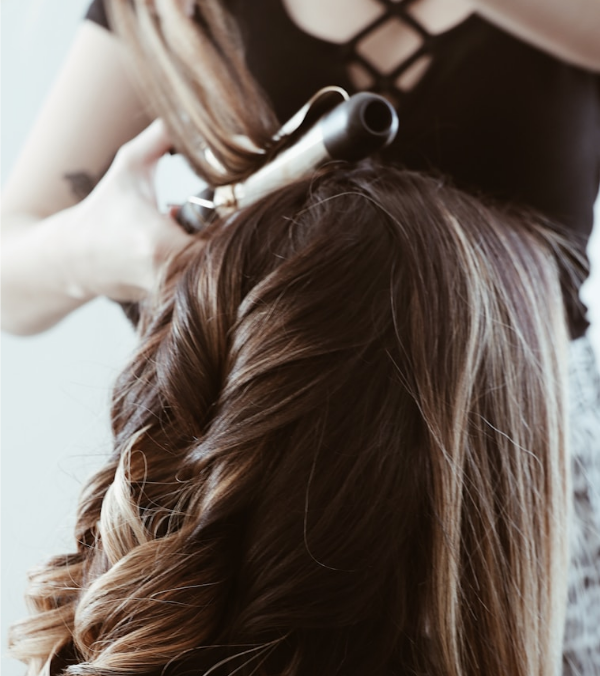

Adding hair extensions to short hair can completely transform your look, giving you volume, length, and style versatility without waiting months for growth. While long hair makes extensions easier to blend, short hair requires specific techniques and careful application to avoid damage and achieve a natural finish.
This complete step-by-step guide will walk you through everything you need to know in 2026, from choosing the right type of extensions, prepping your short hair, proper application methods, to aftercare tips. Whether you want clip-ins, tape-ins, or keratin-bonded extensions, following these professional tips ensures your short hair looks full, healthy, and natural.
We’ll also cover common mistakes, expert advice, and styling tricks, so your extensions last longer and blend seamlessly with your natural hair. By the end of this guide, you’ll have the knowledge and confidence to install and maintain hair extensions on short hair safely and effectively.
Can You Put Hair Extensions in Short Hair?
Many people assume that hair extensions only work on long hair, but that is a common misconception. In reality, short hair as short as 3-4 inches can support extensions, provided the right type and technique are used. Modern extension methods, such as clip-ins, tape-ins, or keratin-bonded extensions, are designed to blend seamlessly, even with shorter hair.
One of the biggest myths is that short hair cannot look natural with extensions. With proper placement, sectioning, and blending, short hair can achieve incredible volume and length without revealing the attachment points. In fact, short hair can be ideal because stylists can layer the extensions carefully to create a fuller, more textured appearance that complements your natural hair.
Celebrities frequently demonstrate how extensions can transform short hairstyles. From chic bobs to pixie cuts, stars often add length and volume instantly, proving that short hair is no limitation. With the right tools and techniques, the before and after results are dramatic: short hair can appear longer, thicker, and more versatile for styling, while still looking completely natural.
Best Types of Hair Extensions for Short Hair
When it comes to short hair, choosing the right type of extensions is crucial for natural-looking results and minimal damage. Each extension type has unique benefits, application methods, and suitability depending on your hair length, texture, and styling goals.
Clip-In Hair Extensions for Short Hair
Clip-in extensions are the most popular choice for short hair because they are temporary, damage-free, and easy to remove. They work best when your hair is at least 4-6 inches long. Clip-ins allow you to add instant volume or length for special occasions without committing to long-term wear.
Pros:
- Completely removable daily
- No heat, glue, or chemicals required
- Perfect for quick style changes
Cons:
- Clips may be visible if hair is too short
- Not ideal for sleeping in
Best for: Occasional use, parties, or events
Price range in Pakistan: PKR 8,000 – PKR 15,000 depending on quality and length
Durability: Can last 6–12 months with proper care
Tape-In Hair Extensions for Short Hair
Tape-in extensions are semi-permanent and lie flat against the scalp, making them ideal for short hair. They can last 6-8 weeks per application and are lightweight, allowing for natural movement. A minimum hair length of 3-4 inches is needed to blend the tapes seamlessly.
Professional application is recommended, and they require careful maintenance to prevent slipping or tangling.
Best for: Those seeking a semi-permanent solution without daily removal
Price range in Pakistan: PKR 12,000 – PKR 25,000
Durability: 6–8 weeks before needing repositioning
Halo Hair Extensions for Short Hair
Halo extensions are wire-based and do not require clips or glue, making them perfect for beginners. They can be worn even on 3+ inches of hair and provide instant length and volume. Halo extensions are removable in seconds, offering a quick daily transformation.
Best for: Easy, non-committal styling and short hair that needs a temporary boost
Price range in Pakistan: PKR 5,000 – PKR 12,000
Durability: Several months with careful handling
Micro-Link / Bead Hair Extensions for Short Hair
Micro-link extensions attach individual strands using small beads, no heat or glue is required, making them safe for short hair. They are long-lasting, usually 3–4 months, and provide a natural, seamless look.
Professional installation is required, and maintenance includes repositioning beads as your hair grows.
Best for: Those wanting a semi-permanent, natural look
Price range in Pakistan: PKR 20,000 – PKR 35,000
Durability: 3–4 months
Sew-In / Weave Extensions for Short Hair
Sew-in or weave extensions involve braiding short hair into cornrows and sewing the wefts onto them. They work on hair 4+ inches long, especially for thicker or coarser hair, and can last 6–8 weeks.
Professional application is essential to avoid tension or breakage.
Best for: Thick short hair needing long-lasting volume and coverage
Price range in Pakistan: PKR 10,000 – PKR 25,000
Durability: 6–8 weeks
Fusion / Bonded Extensions for Short Hair
Fusion or keratin-bonded extensions attach individual strands using keratin bonds and heat. They provide natural-looking results for fine to medium short hair and can last 3–4 months.
Pros: Long-lasting, natural blend
Cons: Requires heat application, higher maintenance
Best for: Those seeking semi-permanent, smooth results
Price range in Pakistan: PKR 25,000 – PKR 40,000
Durability: 3–4 months
Weft Hair Extensions for Short Hair
Weft extensions are track-based and can be sewn or glued onto short hair. They provide full coverage and multiple styling options, and come in different weft sizes to suit short hair textures.
Best for: Short hair needing noticeable volume
Price range in Pakistan: PKR 12,000 – PKR 30,000
Durability: Several months depending on care
Choosing the Right Hair Extensions for Your Short Hair Type
| Hair Type | Best Extension Type | Why It Works | Application Time | Duration |
| Fine & Thin Short Hair | Tape-In, Halo | Lightweight, no damage | 30-60 mins | 6-8 weeks |
| Thick Short Hair | Clip-In, Sew-In | Strong base, holds well | 1-3 hours | 6-8 weeks |
| Curly Short Hair | Sew-In, Micro-Link | Blends with texture | 2-4 hours | 3-4 months |
| Straight Short Hair | Clip-In, Tape-In | Easy blending | 30-90 mins | 6-8 weeks |
| Bob Length Hair | All types | Enough length for all methods | Varies | Varies |
| Pixie Cut (3-4″) | Halo, Small Clip-Ins | Minimal base needed | 15-30 mins | Daily removal |
How to Prepare Your Short Hair for Extensions
Proper preparation is essential for short hair extensions to look natural, blend seamlessly, and stay secure. Skipping prep can lead to visible wefts, slipping extensions, or even hair damage. Here’s a complete guide to getting your short hair ready for extensions.
Measuring Your Hair Length for Extensions
Before choosing extensions, it’s important to measure your hair correctly. Different extension types have minimum length requirements:
- Clip-in extensions: Minimum 4–6 inches
- Tape-in extensions: Minimum 3–4 inches
- Fusion/keratin bonds: Minimum 4–5 inches
- Wefts and sew-ins: Minimum 4 inches
Measure hair at multiple points including the crown, sides, and nape, since short hair often grows unevenly. If your hair is too short for your preferred method, consider waiting a few months for growth or using temporary solutions like halo extensions to bridge the gap. A growth timeline of 2–3 inches per 3–4 months may help you plan your future extension goals.
Washing and Conditioning Before Application
Clean, healthy hair ensures extensions blend seamlessly. Start with a clarifying shampoo to remove oils, product buildup, and dirt. Follow with a deep conditioning treatment at least 24 hours before applying extensions. Avoid using heavy oils or styling products right before installation, as they can prevent adhesives or clips from sticking properly.
After washing, make sure your hair is completely dry. Damp hair can interfere with tape-ins or keratin-bonded extensions and may reduce their longevity.
Detangling and Sectioning Short Hair
Detangling is critical to prevent knots and ensure smooth application. Use a fine-tooth comb or soft brush, working from ends to roots. Avoid pulling or tugging on short, fragile hair.
Sectioning is equally important. Create clean, even sections using clips to hold each layer in place. Parting patterns will vary depending on extension type:
- Clip-ins: Horizontal sections from nape to crown
- Tape-ins: Thin horizontal layers, spaced evenly
- Wefts/sew-ins: Cornrow patterns for secure attachment
Proper sectioning ensures even placement, avoids bulky patches, and helps short hair extensions blend naturally.
Color Matching Extensions to Short Hair
The right color match makes extensions virtually undetectable. Match your base color first, then consider blending multiple shades for depth and dimension. For highlighted or lowlighted hair, place different shades strategically to mimic natural light reflection.
Always test extensions against your hair in natural light to ensure a perfect match. Seasonal color adjustments may also be necessary, especially if your hair naturally lightens in summer or darkens in winter.
How to Put in Clip-In Hair Extensions in Short Hair (Step-by-Step)
Adding clip-in hair extensions to short hair requires careful preparation, proper sectioning, and blending techniques. When done correctly, even short hair can achieve volume, length, and a natural look without damage. Here’s a detailed guide to make the process simple and effective.
Tools and Materials Needed for Clip-In Extensions
To get professional-looking results at home, gather the following:
- High-quality clip-in extension set matched to your hair color
- Tail comb for precise sectioning
- Hair clips to secure each layer during application
- Mirror setup: a combination of handheld and wall mirror for visibility
- Bobby pins for extra security if needed
- Teasing brush or comb to create grip at roots
- Texturizing hairspray to help extensions hold better
Having all tools ready before starting ensures a smooth, stress-free installation process.
Step 1: Section Your Short Hair Properly
Proper sectioning is key to even placement and natural blending. Start from the nape of your neck, working upward. Create horizontal sections about 1/4 to 1/2 inch thick and secure upper sections with hair clips. Leave perimeter hair around the face and crown free to blend later. Correct sectioning prevents uneven hair length and visible clips.
Step 2: Tease the Roots for Better Grip
Short hair can make clips slip if roots are too fine. Teasing adds texture and grip:
- Gently backcomb the roots of each section using a teasing brush or comb
- Avoid over-teasing to prevent damage
- Apply a light texturizing spray for extra hold
Teasing ensures your clip-ins stay secure all day, even on short hair.
Step 3: Attach the First Layer of Clip-Ins at the Nape
Start with the widest weft at the bottom section:
- Open the clips fully
- Snap them close to the roots without pulling
- Space clips evenly for stability
- Ensure the clips are hidden by the natural hair above
This layer forms the foundation for all subsequent layers, providing length and base volume.
Step 4: Add Middle Layers on Sides and Back
Work upward in horizontal layers using medium-width wefts:
- Stagger placement to avoid visible gaps
- Check symmetry on both sides
- Blend wefts with natural hair, adjusting clip pressure if necessary
Middle layers give consistent density and movement to short hair extensions.
Step 5: Place Top Layers at the Crown and Top of Head
Use smaller wefts near the crown to avoid obvious lines:
- Place strategically to add volume where natural hair is thin
- Avoid visible clips along parting
- Create natural flow in hair movement
- Perform a final security check to ensure no slipping
The top layers complete the illusion of full, natural hair.
Step 6: Blend Extensions with Short Natural Hair
Blending ensures the extensions look seamless:
- Release the top layers of natural hair
- Use fingers or a wide-tooth comb to integrate extensions
- Cover wefts with natural hair for a polished look
- Smooth out any bumps or misaligned clips
- Check all angles in the mirror and do final touch-ups
With careful blending, your short hair extensions will appear natural, voluminous, and salon-quality.
How to Put in Tape-In Hair Extensions in Short Hair
Tape-in hair extensions are an excellent semi-permanent option for short hair. They provide a flat, natural look and are lighter than most other extensions. With careful placement, even hair as short as 3–4 inches can be enhanced safely and beautifully. Here’s a detailed step-by-step guide.
What You Need for Tape-In Application
Before starting, make sure you have all essential tools and products:
- Tape-in extension pieces matched to your hair color and thickness
- Sectioning clips to hold hair while applying tapes
- Tail comb for precise parting
- Rubbing alcohol to clean natural hair for better adhesion
- Extension remover for adjustments or future removal
- Optional: Flat iron or hair straightener to help seal the tape for a stronger hold
Having these ready ensures smooth, secure application without errors.
Preparing Short Hair for Tape-Ins
Proper preparation is crucial for maximum adhesion and longevity:
- Hair should be clean and completely free of styling products, oils, or conditioners
- Create neat horizontal sections using the tail comb, starting from the nape of the neck
- Prepare the “sandwich” sections: one layer of hair tape above, one below, with natural hair in between
- Measure placement areas carefully to avoid hairline and crown sections initially
- For short hair, leave some top layers free to hide tapes later
Correct preparation prevents slipping and ensures a natural look.
Applying Tape-In Extensions to Short Hair
Follow these steps to attach your tape-ins safely:
- Start 1–2 inches from the roots to prevent pulling and allow natural hair growth
- Use the sandwich method: place one tape underneath a section of natural hair and one above, securing the hair in between
- Press the tapes together firmly to ensure adhesion
- Optional: apply gentle heat with a flat iron to activate the adhesive and strengthen the hold
- Maintain even spacing between tape-ins for natural density
- For short hair, fewer pieces are usually needed than for long hair, typically 12–20 pieces depending on hair thickness
Proper technique ensures secure, long-lasting extensions that do not damage short hair.
Blending and Finishing Tape-In Extensions
Finishing touches make your extensions appear natural:
- Release the top layers of natural hair to cover the tapes completely
- Use fingers or a comb to blend extensions seamlessly with your short hair
- Style hair to hide any visible tape lines, especially around the crown and sides
- Check each tape for security and adhesion
- Follow post-application care instructions, such as avoiding oils and sulfate shampoos for the first 48 hours
With careful blending, your short hair with tape-in extensions will look full, natural, and professionally done.
How to Put in Halo Hair Extensions in Short Hair
Halo hair extensions are one of the easiest and safest options for short hair. Their wire-based design eliminates the need for clips, tape, or glue, making them perfect for beginners or anyone looking to avoid damage. They provide instant length and volume in less than a minute and are completely removable for daily use. Even hair as short as 3 inches can enjoy a natural-looking transformation with halo extensions.
Why Halo Extensions Are Perfect for Short Hair
Halo extensions have several advantages that make them ideal for short hair:
- No clips, tape, or glue required, preventing stress and breakage on short strands
- Invisible wire design sits comfortably under natural hair
- Instant application in just 60 seconds
- Zero damage to natural short hair
- Works on very short lengths, even 3–4 inches
- Easy daily wear and removal without professional help
Because of these benefits, halo extensions are a top choice for those wanting quick volume and length without committing to semi-permanent methods.
Step-by-Step: Putting in Halo Extensions
Applying halo extensions is simple if done correctly:
- Place the wire on the crown of your head, ensuring it sits comfortably around your natural hair
- Adjust the wire position so it is secure but not tight, avoiding scalp tension
- Pull the wire under your natural hair to anchor the halo
- Pull natural hair over the wire, hiding it completely for a seamless look
- Check invisibility of the wire from all angles
- Blend and style natural hair with the halo for a cohesive, polished finish
Following these steps ensures the extensions are secure, comfortable, and natural-looking.
Styling Short Hair with Halo Extensions
Once the halo is in place, styling can enhance the final look:
- Create a natural-looking part to match your hair growth
- Blend short layers with the halo for a seamless transition
- Add waves or curls for texture and dimension
- Use volume-boosting techniques at the crown for a fuller appearance
- Avoid common mistakes, such as placing the wire too high or leaving short layers unblended
With halo extensions, short hair can achieve effortless volume, length, and styling versatility without damage or complicated application.
How to Put in Micro-Link Extensions in Short Hair (Professional Method)
Micro-link extensions, also called bead or I-tip extensions, are a semi-permanent option that works well on short hair when applied correctly. They use small metal or silicone-lined beads to attach individual strands to natural hair without heat or glue. This method allows customized volume and length while minimizing damage, but professional expertise is highly recommended for short hair due to precise placement requirements.
Micro-link extensions typically take 2–4 hours for a full head, depending on hair density and desired volume. Short hair often requires fewer beads, and the exact number varies by hair thickness and style goals. Regular maintenance appointments every 6–8 weeks are necessary to adjust beads and prevent slipping as your natural hair grows.
Understanding Micro-Link Application Process
- Bead/link attachment: Each extension strand is threaded through a small bead and clamped securely around a section of natural hair.
- Professional application recommended: Precision is critical with short hair to avoid tension, uneven placement, or visible beads.
- Time required: Full application can take 2–4 hours, shorter if fewer links are needed.
- Number of links for short hair: Usually fewer than medium or long hair; professionals adjust based on hair density.
- Maintenance schedule: Every 6–8 weeks, beads need to be repositioned to accommodate hair growth and maintain a seamless look.
Micro-Link Application Steps Overview
- Sectioning pattern for short hair: Divide hair into clean, horizontal sections starting from the nape upward, ensuring enough natural hair for grip.
- Threading hair through beads: Use a small loop tool to pull a section of natural hair through each bead.
- Adding extension strand: Insert the I-tip or extension strand into the bead alongside natural hair.
- Clamping beads securely: Use a micro-pincer to gently clamp the bead without crushing hair, ensuring the extension stays in place.
- Spacing considerations: Keep beads evenly spaced to avoid visible gaps, especially around the crown and sides.
- Row pattern for short hair: Stagger bead placement to prevent overloading short sections, maintaining comfort and natural movement.
How to Put in Sew-In Extensions in Short Hair
Sew-in or weave extensions are a long-lasting method that can add significant volume and length even to short hair. The technique involves braiding your natural hair into cornrows as a base, then sewing wefts of hair onto those braids. This method provides a secure, natural look but requires professional skill, especially on short hair, to prevent tension and damage.
Cornrow Braiding for Short Hair Base
Creating the right braid foundation is critical for a seamless sew-in. On short hair:
- Flat cornrows: Braid the hair close to the scalp to create a smooth base that can hold wefts securely.
- Braid patterns: Use horizontal or curved rows depending on desired volume and style. Short hair may need smaller, tighter braids to provide enough support.
- Securing braids: Use small elastics at the ends to keep braids intact during sewing.
- Leave-out areas: Keep certain sections of hair out (around the hairline or parting) for natural blending with the extensions.
- Scalp protection: Avoid braiding too tightly, as excessive tension can cause discomfort or breakage.
Sewing Wefts onto Short Hair Braids
Once the braids are ready, wefts can be sewn carefully onto them:
- Threading the curved needle: Use a strong, professional-grade thread that matches the weft color.
- Starting at the nape: Begin sewing from the bottom braid row and work upward. This ensures the hair lays naturally.
- Sewing technique: Loop the needle through the weft and braid repeatedly to secure without adding bulk.
- Weft spacing: Maintain even spacing to prevent uneven volume and make the extensions lie flat.
- Final knot tying: Secure each row with a firm knot and trim any excess thread to avoid discomfort or visibility.
Common Mistakes When Putting Extensions in Short Hair
Adding extensions to short hair can create stunning volume and length, but mistakes during application can lead to an unnatural look or even hair damage. Understanding the most common errors helps ensure your extensions look seamless, stay secure, and keep your natural hair healthy.
Mistake 1: Choosing the Wrong Extension Type
Selecting an extension type that does not suit short hair is one of the main problems:
- Clip-ins may fail if hair is extremely short, as clips cannot hide properly.
- Heavy extensions can pull on short hair, leading to breakage.
- Mismatched textures between natural hair and extensions look unnatural.
- Wrong length selection may cause awkward layering.
Solution: Opt for lightweight options like halo or tape-ins for very short hair, and match texture carefully.
Mistake 2: Placing Extensions Too Close to Roots
Incorrect placement can create tension and visibility issues:
- Clips, tapes, or wefts too close to the scalp can cause discomfort.
- Visible attachments reduce the natural look.
- Continuous tension may lead to hair breakage.
Tip: Always leave 1-2 inches from the roots for a natural and safe attachment.
Mistake 3: Not Teasing or Prepping Hair
Skipping proper prep makes extensions slip and look uneven:
- Clips slide out of smooth, fine hair.
- Wefts may not stay in place securely.
- Visible attachment points are obvious without proper texturing.
Solution: Tease or texturize hair before clip-in application to create grip and stability.
Mistake 4: Using Too Many Extensions
Adding excessive wefts creates weight and an unnatural appearance:
- Overloading the short hair base can damage natural strands.
- Bulky hair is difficult to style and blend.
Advice: Use the correct number of extensions based on hair density and length. Lightweight layering helps avoid strain.
Mistake 5: Poor Color Matching
Extensions that don’t match hair color break the illusion of natural length:
- Visible color differences make extensions stand out.
- Mismatched undertones can create an unnatural look.
Solution: Test extensions against your hair in natural light. Blend multiple shades for dimension if needed.
Mistake 6: Skipping the Blend
Even with the right extensions, poor blending ruins the final look:
- Harsh lines between natural and extension hair make them obvious.
- Visible wefts create a boxed-in appearance.
Tip: Use fingers or a comb to blend, layer strategically, and ensure short perimeter hair covers all attachment points.
How to Style Hair Extensions in Short Hair
Styling short hair with extensions can transform your look, adding volume, length, and versatility. Whether you want curls, a sleek straight style, or a fancy updo, proper techniques ensure your extensions blend naturally and stay healthy.
Creating Natural-Looking Waves and Curls
Adding waves or curls to short hair extensions requires matching the curl pattern to your natural hair:
- Curl your natural hair and extensions together to create a cohesive wave pattern.
- Use tools like a curling iron, wand, or rollers designed for heat protection.
- Adjust heat settings according to your extension type (synthetic or human hair).
- Allow curls to cool and set for longer-lasting definition.
- Apply a light finishing spray or serum to hold the style without weighing down hair.
These steps ensure curls look natural, soft, and blend seamlessly with short hair layers.
Straightening Short Hair with Extensions
For a sleek, polished look:
- Use a flat iron with controlled temperature settings suitable for extensions.
- Always apply a heat protectant spray to avoid damaging both natural and extension hair.
- Straighten in small sections to maintain smoothness and avoid uneven heat exposure.
- Incorporate anti-frizz serums or smoothing creams for a flawless finish.
- Work slowly over the extensions to prevent snapping or tangling.
Straightened extensions can give short hair a professional, glossy finish while remaining healthy if heat protection is used.
Updos and Half-Up Styles with Short Hair Extensions
Extensions make short hair versatile enough for updos and event-ready styles:
- Create messy buns using extensions to fill volume gaps.
- Try half-up ponytails by blending top sections with extensions.
- Incorporate braided details to hide wefts and add style complexity.
- Use bobby pins or clips to secure short layers without pulling the hair.
- These techniques work well for weddings, parties, or everyday polished looks.
Proper pinning and blending prevent extension visibility and keep styles neat and durable.
Adding Volume to Short Hair with Extensions
Extensions are excellent for lifting thin or flat short hair:
- Backcombing or teasing at the crown adds natural lift.
- Layering extensions strategically creates fullness without bulk.
- Use texturizing sprays or volumizing mousse to enhance your body.
- Blow-dry gently with a round brush to maintain volume and shape.
- Check throughout the day and refresh volume with fingers or light mist sprays.
With these methods, short hair gains a natural, volumized look that lasts all day.
Caring for Hair Extensions in Short Hair
Proper care is essential for keeping short hair extensions looking natural, preventing damage, and prolonging their lifespan. With a consistent routine, even short hair can maintain length, volume, and shine without tangling or breakage.
Daily Maintenance Routine
Maintaining your extensions daily ensures they remain secure and tangle-free:
- Brush gently from bottom to top, starting at the ends and gradually moving up to prevent pulling at the roots.
- Detangle carefully around clips, beads, or tape bonds to avoid loosening or damaging them.
- Check the security of clips or tape-ins each day, especially after sleeping or styling.
- Adopt night-time protective styles like loose braids or ponytails to prevent tangling while sleeping.
- Remove temporary extensions like clip-ins or halos nightly to give natural hair rest and maintain longevity of the extensions.
This daily care prevents stress on short hair and ensures extensions stay smooth and natural-looking.
Washing Hair with Extensions in Short Hair
Washing your hair requires gentle handling to protect both natural hair and the extensions:
- Wash hair 2-3 times per week; over-washing can loosen bonds or dry out extensions.
- Use sulfate-free shampoo to avoid stripping keratin, glue, or tape adhesive.
- Avoid applying conditioner directly on bonds, tapes, or micro-links; it can weaken attachment.
- Apply a gentle massaging motion, avoiding rubbing the bonds or clips.
- Pat dry hair with a towel or use a low-heat blow dryer; never rub vigorously to prevent tangling.
- Recommended products include leave-in serums and detangling sprays formulated for extensions.
Following these techniques preserves the health of short hair and maintains extension integrity.
Removing Hair Extensions Safely from Short Hair
Safe removal prevents hair damage and allows extensions to be reused:
- Clip-ins should be carefully opened at each clip, avoiding yanking.
- Tape-ins require a proper removal solution to loosen adhesive without pulling hair.
- Micro-link, fusion, or sew-in extensions should be removed by a professional to prevent breakage.
- Avoid rushing; improper removal can break or pull natural hair, especially when hair is short.
- After removal, deep condition hair and gently detangle natural strands.
- Clean extensions properly before storing to allow for future reuse.
Safe removal and proper maintenance ensure short hair remains healthy while extensions can be worn multiple times.
How Long Do Hair Extensions Last in Short Hair?
| Extension Type | Lifespan with Short Hair | Re-Usability | Maintenance Frequency |
| Clip-In | 6-12 months (100+ wears) | Yes | Clean after 15-20 wears |
| Tape-In | 6-8 weeks per application | Yes (2-3 times) | Move-up every 6-8 weeks |
| Halo | 1-2 years | Yes | Clean weekly |
| Micro-Link | 3-4 months | No | Move-up every 6-8 weeks |
| Sew-In | 6-8 weeks | No | Tighten after 4 weeks |
| Fusion | 3-4 months | No | Check-ups every 6 weeks |
Cost Guide: Hair Extensions for Short Hair
Understanding the costs associated with hair extensions is crucial, especially for short hair, where professional application and maintenance may be more frequent. Prices vary depending on the type of extension, hair quality, and whether you opt for DIY or salon services.
Initial Investment by Extension Type
The starting price depends on extension type and quality:
- Clip-in sets: PKR 10,000 – PKR 80,000. These are affordable, reusable, and ideal for occasional use or special events.
- Tape-in packs: PKR 20,000 – PKR 120,000. Semi-permanent, lightweight, and perfect for short hair with professional application recommended.
- Halo extensions: PKR 16,000 – PKR 60,000. Quick, damage-free, and great for beginners; instant length and volume.
- Micro-links with installation: PKR 100,000 – PKR 300,000. Long-lasting and natural-looking, but professional installation is required.
- Sew-in extensions with installation: PKR 40,000 – PKR 160,000. Best for thick short hair, provides long-lasting coverage and volume.
- Fusion/keratin extensions with installation: PKR 200,000 – PKR 500,000. Semi-permanent, heat-bonded, natural finish, higher maintenance.
The price also depends on hair length, thickness, and whether it is Remy or virgin human hair. Always consider the quality over cost to avoid damage or unnatural results.
Ongoing Maintenance Costs
Maintaining short hair extensions adds recurring costs:
- Professional move-ups or reinstallation: Needed every 6–8 weeks for tape-ins or micro-links.
- Extension care products: Sulfate-free shampoos, conditioners, serums, and detanglers.
- Regular salon trims: Keeps natural hair healthy and blends short hair extensions seamlessly.
- Replacement extensions: Clip-ins and halo extensions may need replacement after wear and tear.
- Monthly budget: PKR 3,000 – PKR 15,000 depending on treatment, products, and professional services.
- Budget-friendly tips: Opt for high-quality clip-ins or halo extensions for occasional use, and limit salon visits for minor adjustments.
Investing in proper care and maintenance ensures short hair extensions last longer, look natural, and avoid hair damage.
Troubleshooting: Fixing Hair Extension Problems in Short Hair
Even with careful application, hair extensions in short hair can sometimes cause issues. Knowing how to identify and fix these problems quickly ensures your hair stays healthy and your style looks natural.
Extensions Keep Slipping Out
If your extensions are sliding or not staying in place, the problem is often related to hair texture, extension type, or placement. Smooth or fine short hair can make clip-ins or tape-ins less secure.
Solutions include:
- Teasing the roots gently before attaching extensions to create grip.
- Using texturizing sprays or light hairspray to add traction for clip-ins.
- Securing with bobby pins at key points for extra hold.
- Switching to a different extension type, such as halo extensions for very short or fine hair.
Proper placement and choosing the correct extension type for your hair density are critical to prevent constant slipping.
Extensions Look Obvious and Unnatural
Sometimes extensions stand out instead of blending seamlessly with your natural short hair. This can happen due to color mismatch, layering issues, or improper positioning.
Fixes include:
- Blending techniques: Layering and trimming the extensions to match your natural hair.
- Color correction: Using slightly different shades or highlights to match your hair tones.
- Styling tricks: Curling, waving, or backcombing short hair can hide visible clips or wefts.
- Professional help: If DIY blending is challenging, a stylist can make the extensions look natural.
Short Hair Breaking from Extensions
Hair breakage is a serious concern, especially for short hair under tension. Signs include split ends, thinning areas, or strands breaking near clips or bonds.
Preventive and corrective measures:
- Stop wearing extensions immediately when damage is detected.
- Switch to lighter extensions or a more suitable type for short hair.
- Deep conditioning and protein treatments to restore hair strength.
- Avoid sleeping with clip-ins or using heavy extensions continuously.
Monitoring your hair closely prevents permanent damage over time.
Scalp Pain or Discomfort
Pain or irritation often signals too much tension or heavy extensions, incorrect placement, or sensitive scalp conditions.
How to address discomfort:
- Immediate relief: Remove or loosen extensions causing pain.
- Adjust placement: Keep extensions at least 1–2 inches from the scalp for short hair.
- Choose gentler options: Halo or lightweight clip-ins reduce pressure.
- Consult a professional if pain persists or if the scalp shows redness, bumps, or sensitivity.
Proper application, weight distribution, and scalp care are key to enjoying short hair extensions safely without discomfort.
Professional vs. DIY: Installing Extensions in Short Hair
Knowing when to apply hair extensions in short hair yourself and when to seek a professional is crucial for natural-looking results and hair health. Choosing the right method reduces the risk of damage and ensures your style lasts longer.
When to Do It Yourself
DIY application is possible and safe for certain extension types, especially clip-in and halo extensions. These are removable, lightweight, and cause minimal tension on short hair.
To succeed with DIY extensions:
- Have the proper tools ready, such as clips, combs, and mirrors.
- Follow tutorials carefully, making sure to section hair correctly and blend extensions naturally.
- Consider your budget, as DIY options save on salon fees but require quality products.
- Allocate enough time for careful installation to avoid mistakes.
DIY works best for first-time experiments, occasional styling, or quick transformations, allowing short hair to achieve volume and length instantly.
When to See a Professional
Some extension types and situations require professional application to ensure safety and long-lasting results. These include tape-in, micro-link, sew-in, and fusion extensions, which need specialized tools and techniques.
Professional help is recommended if:
- You need complex color matching or multiple shades blended into short hair.
- Your hair is very short (under 4 inches) and requires careful placement to prevent damage.
- It is your first time using extensions, as a stylist can guide placement and blending.
- You want long-lasting results that maintain a salon-quality finish.
- You prefer certified extension specialists to guarantee correct technique and reduce breakage.
Choosing professional installation in these cases ensures that your short hair extensions look natural, stay secure, and avoid damage while maximizing their lifespan.
Tips from Professional Hairstylists: Extensions in Short Hair
Putting in hair extensions on short hair requires more precision and technique than long hair, but professional hairstylists have shared practical tips to make the process easier, safer, and more natural-looking. Applying their advice ensures your extensions blend seamlessly and last longer.
Expert Application Tips
Professional stylists emphasize the “less is more” principle when working with short hair. Start with a smaller number of wefts or strands and gradually add more to achieve the desired volume. This prevents your natural hair from being overloaded and avoids an unnatural bulky appearance.
Proper sectioning is critical. Stylists recommend horizontal sections from the nape upward, securing each section with clips before applying extensions. This ensures even distribution and a symmetrical result. Always prioritize quality over quantity; a few high-quality extensions blend far better than many low-grade ones.
Seasonal adjustments are also important. For example, during humid months, hairstylists may recommend lighter extensions or more frequent repositioning to maintain style integrity.
Blending Secrets for Short Hair
Blending is the key to making extensions look natural on short hair. Professionals suggest creating seamless transitions by layering the extensions with natural hair. Cutting and texturizing the extensions to match your natural hair length and shape helps hide the attachment points.
Using lightweight styling products such as texturizing sprays, lightweight serums, and heat protectants keeps hair smooth while enhancing the blend. Stylists often use strategic curling or wave patterns to disguise any visible wefts or tapes.
Making Extensions Last Longer
Extensions in short hair last longer when they are properly maintained. Store clip-ins or halos in individual pouches or hangers to avoid tangling. For tape-ins, follow the recommended cleaning and repositioning schedule, using sulfate-free shampoos and gentle conditioners to protect the adhesive.
Minimize excessive heat styling and always use heat protectant sprays to prevent damage to both natural hair and extensions. Rotate the extensions if possible, and replace or repair any damaged wefts immediately to maintain a healthy, polished look.
Frequently Asked Questions: Hair Extensions in Short Hair
How short is too short for hair extensions?
Extensions generally require a minimum hair length of 3-4 inches, though the exact length depends on the type of extension. Clip-ins and halo extensions work best for hair at least 4 inches long. Very short hair can still get temporary length or volume using small halo pieces. If your hair is shorter than this, consider letting it grow a few months before adding extensions for a seamless blend.
Will hair extensions damage my short hair?
When applied correctly, extensions do not damage short hair. Temporary methods like clip-ins, halos, or tape-ins are safest. Permanent methods like micro-links, sew-ins, or fusion require professional care. Watch for warning signs like scalp pain, excessive shedding, or breakage. Always follow safe removal practices and maintain your hair with gentle products.
Can I put extensions in a pixie cut?
Yes, halo extensions or small clip-ins can add volume and some length to pixie cuts. Options are limited for very short pixies, so realistic expectations are important. These methods focus more on adding volume than significant length.
How many clip-ins do I need for short hair?
For short hair, typically 3-5 wefts are enough to create a natural, fuller look. The exact number depends on your hair thickness and desired volume. It is best to start small and add more gradually for a natural finish.
Can I color or cut hair extensions?
Human hair extensions can be cut, layered, or colored to match your natural hair. Avoid coloring synthetic extensions. Professional coloring is recommended to prevent damage. Trimming the extensions also helps blend short layers seamlessly.
How do I sleep with hair extensions in short hair?
Clip-ins and halos should always be removed before bed. For semi-permanent types like tape-ins or micro-links, tie hair in a loose braid or bun and use a silk pillowcase to reduce friction and maintain extension longevity.
Can I swim with extensions in short hair?
Temporary extensions must be removed before swimming. For permanent extensions, a swim cap protects hair from chlorine or saltwater. After swimming, rinse hair thoroughly and follow your post-swim care routine to maintain smoothness and prevent tangling.
Do hair extensions work on thin short hair?
Yes, but choose lightweight options such as tape-ins or halo extensions. Avoid heavy clip-ins that may stress thin hair. Build volume gradually to avoid tension and ensure a natural, comfortable look.
Conclusion
Putting hair extensions in short hair is absolutely achievable with the right technique and extension type selection. Whether you choose clip-in extensions for occasional glamour, tape-in extensions for semi-permanent length, or halo extensions for daily convenience, transforming your short hair into long, voluminous locks is easier than you think. Follow the step-by-step methods outlined above, avoid common mistakes, and maintain your extensions properly for stunning, natural-looking results that can last for months.
Ready to transform your short hair with professional hair extension services? Noor Kada specializes in expert hair extension applications for all hair lengths, including short hair transformations. Our skilled stylists will help you choose the perfect extension type, color match precisely, and apply extensions seamlessly for gorgeous, natural-looking results. Call +92 342 230 9308 today to book your consultation and discover how beautiful your short hair can look with professionally applied extensions!