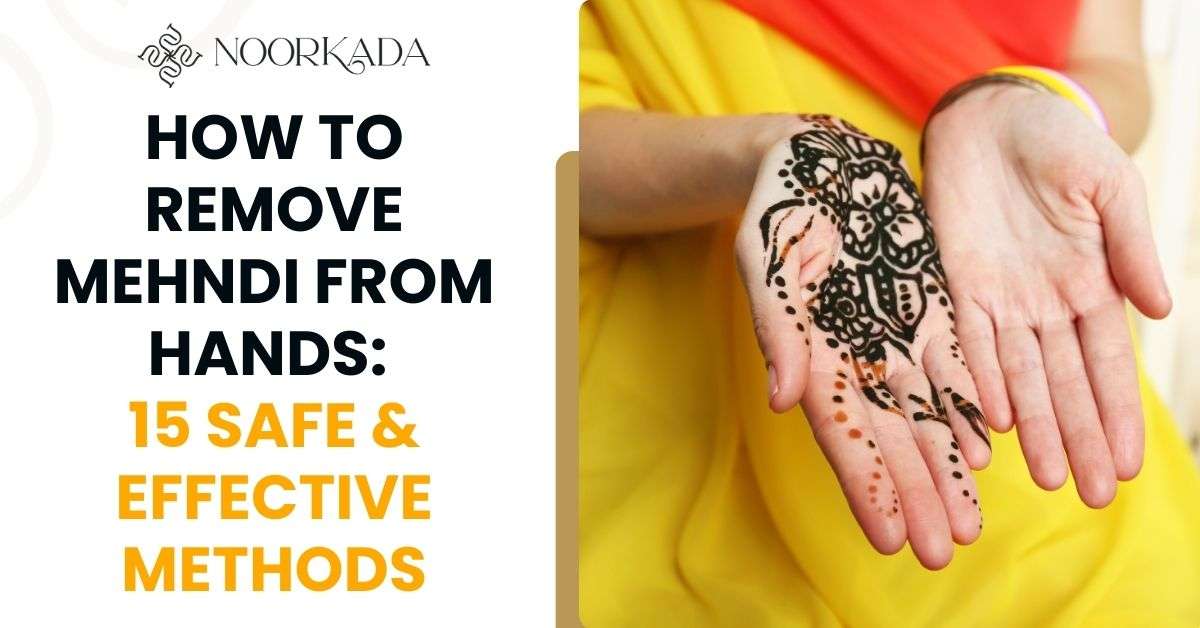
Mehndi looks beautiful and traditional, especially for weddings, Eid, and special occasions. But sometimes you may need to remove it quickly. Maybe you have a professional meeting, school event, or you simply do not like how dark the stain turned out. Since mehndi naturally stains the skin, removing it completely in one day is difficult, but there are safe and effective ways to fade it faster.
In this complete guide, you will learn how to remove mehndi from hands safely, using simple home remedies and proven techniques. These methods help lighten the stain without damaging your skin, so you can restore your natural hand tone as quickly as possible.
Understanding Mehndi Stains
Before learning how to remove mehndi from hands, it is important to understand how mehndi actually works on the skin. When you know why the stain forms and how long it lasts, you can choose the safest and most effective removal method.
What is Mehndi and How Does It Stain Skin?
Mehndi, also known as henna, is a natural dye made from the leaves of the Lawsonia inermis plant. The leaves are dried, crushed into a fine powder, and mixed with water or essential oils to create a paste. When this paste is applied to the skin, it leaves behind a reddish-brown stain.
The staining process happens because mehndi contains a natural dye molecule called lawsone. This molecule binds with the keratin protein found in the outer layer of your skin. Once it attaches to the skin cells, it creates a semi-permanent color. The longer the paste stays on your hands, the deeper and darker the stain becomes.
How Long Does Mehndi Naturally Last?
On average, mehndi lasts between 1 to 3 weeks, depending on several factors. Darker stains usually stay longer, especially if the paste was kept on for many hours.
Here are the main factors that affect how long mehndi lasts:
- Skin type and thickness
- Aftercare practices
- Frequency of hand washing
- Exposure to soap, water, and sunlight
- Quality of mehndi used
Since mehndi stains only the top layer of skin, it gradually fades as your skin naturally exfoliates and regenerates.
Why Can’t Mehndi Be Removed Instantly?
Many people search for ways to remove mehndi in one day, but complete instant removal is not realistic. This is because mehndi does not sit on top of the skin like regular color or paint. It penetrates and chemically binds to the upper skin layer.
To completely remove mehndi, the stained skin cells need to shed naturally. Most removal methods only help to speed up fading by exfoliating the skin or breaking down the stain slightly. That is why patience and gentle care are important when trying to lighten mehndi safely.
Best Mehndi Removal Methods
| Method | Effectiveness | Time Required | Best For | Skin Type |
| Salt Water Soak | High | 20 mins daily | Gentle removal | All skin types |
| Olive Oil + Salt Scrub | Very High | 10-15 mins | Fast results | Normal/Dry skin |
| Lemon + Baking Soda | High | 10 mins | Quick fading | Non-sensitive skin |
| Micellar Water | Medium | 5-10 mins | Sensitive areas | Sensitive skin |
| Hydrogen Peroxide | Very High | 5 mins | Stubborn stains | Normal skin only |
Natural & Gentle Mehndi Removal Methods
If you want to fade mehndi quickly without harming your skin, natural and gentle methods are the safest choice. These remedies use common household ingredients and are suitable for sensitive hands. While they may not remove the stain completely in one hour, they accelerate fading effectively.
Method 1: Salt Water Soak (Best for Sensitive Skin)
What you need:
- Warm water
- 1-2 teaspoons of salt
Step-by-step process:
- Mix salt into a bowl of warm water.
- Soak your hands in the water for 10-15 minutes.
- Gently rub your palms and fingers while soaking.
- Rinse with lukewarm water and pat dry.
How it works:
Salt acts as a mild exfoliant, removing dead skin cells where mehndi is concentrated.
How often to repeat:
Once or twice daily until the stain fades to your desired level.
Expected results:
You can expect gradual fading within 3-5 days, with minimal skin irritation.
Method 2: Olive Oil Massage
What you need:
- Pure olive oil
Application process:
- Warm 1-2 tablespoons of olive oil slightly.
- Massage it into the stained areas for 5-10 minutes.
- Leave it on for 20-30 minutes or overnight for a stronger effect.
- Wash with mild soap and water.
Why it’s effective:
Olive oil breaks down the mehndi dye while moisturizing the skin, preventing dryness.
Frequency:
Once or twice daily depending on stain intensity.
Results timeline:
Noticeable fading usually occurs after 2-3 days with consistent use.
Method 3: Coconut Oil Treatment
Materials needed:
- Coconut oil (virgin preferred)
How to apply:
- Take a small amount of coconut oil in your palms.
- Rub it over the mehndi-stained area.
- Massage gently for 5 minutes.
- Leave it on for 30 minutes before washing with lukewarm water.
Science behind it:
Coconut oil penetrates the skin to loosen the dye particles, making them easier to wash away.
Repetition schedule:
Apply 1-2 times daily until the mehndi fades sufficiently.
Expected outcome:
Gradual lightening of the stain within 2-4 days, plus soft and nourished skin.
Method 4: Baby Oil Method
Requirements:
- Baby oil (or mineral oil)
Application steps:
- Pour a few drops of baby oil onto your hands.
- Massage thoroughly over the mehndi stain.
- Let it sit for 10-15 minutes.
- Wash with lukewarm water and gentle soap.
Effectiveness:
Baby oil loosens the mehndi pigment without irritating sensitive skin.
Usage frequency:
Once or twice a day for faster fading.
Result:
Lightening of mehndi stains over 3-5 days while keeping skin hydrated.
Exfoliation-Based Mehndi Removal Techniques
Exfoliation is one of the most effective ways to fade mehndi stains quickly. By removing dead skin cells, the dye naturally lifts off, making your hands look lighter and refreshed. These methods combine natural exfoliants with gentle ingredients to protect your skin while speeding up mehndi removal.
Method 5: Olive Oil + Salt Scrub (Most Effective)
Ingredients needed:
- 1 tablespoon olive oil
- 1 teaspoon table salt
Preparation steps:
- Mix olive oil and salt in a small bowl to create a gritty paste.
Application technique:
- Rub the scrub gently over mehndi-stained hands in circular motions for 3-5 minutes.
- Focus on areas with darker stains.
- Rinse with lukewarm water and pat dry.
Safety precautions:
Avoid vigorous scrubbing to prevent skin irritation, especially if your skin is sensitive or broken.
Results to expect:
Regular use once daily can fade mehndi significantly within 2-3 days.
Method 6: Sugar + Lemon Scrub
What you’ll need:
- 1 tablespoon sugar
- 1 teaspoon lemon juice
Making the scrub:
- Mix sugar and lemon juice until it forms a paste.
How to use:
- Gently rub the scrub over stained areas for 3-4 minutes.
- Rinse with lukewarm water and moisturize immediately.
Warning about sun exposure:
Lemon can make your skin photosensitive, so avoid direct sunlight for a few hours after application.
Expected effectiveness:
This scrub gradually lightens mehndi in 2-4 days while giving a natural glow.
Method 7: Baking Soda + Lemon Paste
Ingredients:
- 1 teaspoon baking soda
- Few drops of lemon juice
Mixing ratio:
Combine until a smooth paste forms, not too runny.
Application method:
- Apply paste on mehndi-stained areas.
- Massage gently in circular motions for 2-3 minutes.
Leave-on time:
Keep on skin for 5-10 minutes before washing off.
Frequency of use:
1-2 times daily for faster fading.
Moisturizing after:
Always apply a gentle hand cream or coconut oil to prevent dryness.
Method 8: Body Scrub/Face Scrub
Type of scrub to use:
Gentle exfoliating scrubs suitable for hands and face, preferably with natural beads or sugar granules.
Gentle massage technique:
- Rub scrub lightly over mehndi stains in small circles.
- Avoid harsh pressure to prevent micro-tears in skin.
Daily application:
Can be used once daily for sensitive skin, up to twice for less sensitive skin.
Results timeline:
Noticeable fading usually occurs within 3-5 days, depending on stain intensity and skin type.
Advanced Removal Methods (Use with Caution)
Sometimes, natural or exfoliation-based methods take longer to fade mehndi completely. Advanced methods can speed up the process, but they should be used carefully to protect your skin. Always test a small area first and follow safety precautions.
Method 9: Hydrogen Peroxide (3% Only)
Safety warnings first:
Hydrogen peroxide can irritate skin if used incorrectly. Avoid broken, sensitive, or eczema-prone skin.
Dilution instructions:
Mix equal parts 3% hydrogen peroxide and water to reduce potency.
Application method:
- Apply diluted solution to mehndi-stained areas with a cotton ball.
- Let it sit for 1-2 minutes only.
- Rinse thoroughly with lukewarm water.
Contact time:
Do not exceed 2 minutes to avoid skin damage.
When NOT to use:
Avoid it if you have cuts, wounds, or highly sensitive skin.
Immediate moisturizing:
Apply olive oil, coconut oil, or gentle hand cream immediately after rinsing.
Method 10: Micellar Water (Gentle Yet Effective)
What is micellar water:
A gentle skin-cleansing liquid that attracts dirt, oil, and pigments.
Why it works on henna:
Micelles in the water help lift the mehndi pigment from the skin surface.
How to use:
- Soak a cotton pad in micellar water.
- Rub gently over mehndi stains in circular motions.
- Repeat until desired fading occurs.
Best brands recommended:
Look for sensitive skin-friendly micellar waters.
Safe for face and body:
Yes, this method is gentle enough for hands, arms, and face.
Method 11: Whitening Toothpaste
Type of toothpaste to use:
Use mild whitening toothpaste (avoid strong abrasives).
Application technique:
- Apply a thin layer to the stained skin.
- Let it dry for 3-5 minutes.
- Gently scrub in circular motions with fingers or a soft brush.
Frequency limits:
Use 1-2 times daily maximum to avoid skin irritation.
Effectiveness:
Works best for recent mehndi stains rather than deeply set ones.
Method 12: Makeup Remover (Oil-Based)
Best type to use:
Choose an oil-based makeup remover, preferably for sensitive skin.
Cotton pad application:
Soak a pad in the remover and press onto the mehndi-stained area for a few seconds.
Soaking technique:
Let the remover sit on the stain for 1-2 minutes to soften the pigment.
Circular motion rubbing:
Rub gently in small circular motions to lift mehndi without harming skin.
Perfect for detailed areas:
Works well around fingertips, nails, and intricate designs where other methods may miss.
Combination Methods for Faster Results
If you want to fade mehndi quickly, combining gentle heat, soaking, and exfoliation techniques can accelerate results. These methods are effective for hands, arms, and feet but should be done carefully to avoid skin irritation.
Hot Water Steam + Scrubbing
Setup process:
Boil water in a pot and pour into a heat-safe bowl.
Steaming technique:
- Place your mehndi-stained hands or feet over the bowl, keeping a safe distance to avoid burns.
- Steam for 3-5 minutes to open skin pores.
Immediate scrubbing:
After steaming, use a gentle sugar or salt scrub to rub off mehndi pigment.
Tools to use:
Sugar, salt, olive oil, or a mild body scrub.
Safety temperature:
Ensure water is warm, not scalding, to protect skin.
Warm Water Soak + Soap
Soaking duration (15-20 minutes):
Fill a bowl with warm water and soak hands or feet until skin softens.
Soap selection:
Use a mild, moisturizing soap to prevent dryness.
Gentle rubbing technique:
Rub mehndi-stained areas with fingers or a soft cloth. Repeat if needed.
Pat dry method:
Pat skin dry with a towel and apply moisturizer or natural oil immediately.
Pool/Chlorine Water Method
How chlorine helps:
Chlorine acts as a mild bleaching agent, naturally lightening mehndi stains.
Swimming duration:
Swimming for 30-45 minutes can noticeably fade mehndi.
Additional benefits:
- Exfoliates skin naturally due to water movement
- Softens skin for easier post-swim scrubbing
Post-swim care:
Rinse with fresh water and apply moisturizing lotion or oil to prevent dryness.
Special Focus: Removing Mehndi from Nails
Removing mehndi from nails requires a slightly different approach than removing it from hands or arms. Nail surfaces are harder, and the stain tends to stick longer, so gentle techniques with proper tools are essential.
Why Nail Removal is Different
Nails are denser and less porous than skin, which makes mehndi pigment linger longer. Simply washing may not fully remove the stain. Nails also need extra care to avoid damage or brittleness during the removal process.
Warm Water Soak for Nails
Fill a bowl with warm water (not hot).
Soak your nails for 5-10 minutes to soften the mehndi pigment.
This prepares the surface for easier scrubbing or oil treatment.
Cotton Swab Technique
Soak a cotton swab in olive oil, coconut oil, or micellar water.
Gently rub each nail in a circular motion.
Focus on edges and corners where mehndi tends to settle.
Nail Brush Method
Use a soft-bristled nail brush with warm water and mild soap.
Gently scrub each nail to remove remaining mehndi residue.
Avoid harsh scrubbing to prevent nail surface damage.
Antibacterial Soap Application
Apply antibacterial soap to your nails after other methods.
Rub for 1-2 minutes and rinse with warm water.
This not only removes leftover pigment but also keeps nails clean and healthy.
WHAT NOT TO DO (Critical Safety Information)
When removing mehndi, certain products and techniques can cause serious skin damage or worsen staining. Follow these warnings carefully to keep your hands and nails safe.
Never Use These Harsh Products
Avoid using the following items, as they can irritate skin or damage nails:
❌ Acetone/Nail Polish Remover – extremely drying and harsh on skin
❌ Face Bleach – can cause burns and allergic reactions
❌ Undiluted Hydrogen Peroxide – too strong for skin
❌ Boiling Hot Water – risk of burns
❌ Harsh Chemical Cleaners – damage skin and nails
❌ Tiger Balm – ineffective and may irritate
❌ Hand Sanitizer – not effective and can dry skin
Dangerous Techniques to Avoid
These methods may damage skin or nails and should never be done:
- Over-scrubbing or applying excessive pressure on mehndi
- Picking at henna on the skin
- Aggressively using a pumice stone
- Combining multiple harsh removal methods at once
- Skipping moisturizer after any removal attempt
Skin Damage Warning Signs
Stop immediately if you notice any of the following:
- Redness and irritation
- Burning sensation
- Cuts or scratches
- Excessive dryness
- Peeling skin
Post-Removal Skin Care
After removing mehndi, your skin may feel sensitive or dry, so proper post-care is essential to maintain healthy skin and prevent irritation.
Immediate Moisturizing (Essential)
Right after removing mehndi, apply a moisturizer or natural oil to replenish lost moisture. This step helps prevent dryness and irritation and keeps skin soft and smooth.
Best Moisturizers to Use
Coconut oil – nourishes and softens skin
Olive oil – helps fade remaining mehndi gradually
Aloe vera gel – hydrates and soothes
Vitamin E cream – repairs minor skin damage
Healing Dry/Irritated Skin
For skin that feels rough, red, or irritated, gently apply soothing creams or natural oils multiple times a day. Avoid harsh soaps or chemicals during healing.
Aloe Vera for Soothing
Aloe vera gel is ideal for calming sensitive or inflamed skin. Apply a thin layer and leave it for 10-15 minutes, then rinse with lukewarm water. Repeat daily if needed.
When to Stop Removal Attempts
If mehndi stains are not fading after a few gentle attempts, stop further removal. Overdoing methods can damage skin and nails. Instead, focus on moisturizing and gradual fading for safe results.
Professional Removal Options
Sometimes, home methods may not fully remove mehndi stains, or your skin may be too sensitive. In these cases, professional removal options provide safer and faster results.
When to Visit a Salon
If mehndi is stubborn and not fading after gentle home attempts
For intricate designs on hands, nails, or feet
When you have sensitive or irritated skin that requires expert care
Professional Products Used
Salons often use specialized mehndi removal products that are skin-safe and effective. These include:
- Gentle chemical removers formulated for skin
- Exfoliating gels and scrubs
- Moisturizing oils to protect and hydrate skin
Dermatologist Consultation
If your skin reacts severely to mehndi or home removal methods, consult a dermatologist. They can:
- Recommend medically approved removal creams
- Advise on treating irritation or allergic reactions
- Guide on safe post-removal care
Cost vs. Home Methods
Salon removal may cost PKR 500–1500, depending on hand size and complexity
Faster, safer results compared to home methods
Time-saving and reduces risk of skin damage
Ideal for special occasions or stubborn mehndi
Prevention Tips for Next Time
While knowing how to remove mehndi is useful, the best way to manage mehndi stains is to prevent excessive staining in the first place. With a few smart strategies, you can enjoy beautiful mehndi designs while making future removal easier.
Apply Barrier Oil Before Mehndi
Before applying mehndi, coat your skin with a thin layer of coconut oil, olive oil, or baby oil on the areas surrounding your design. This creates a protective barrier, preventing mehndi from staining unwanted areas and making removal simpler afterward.
Control Application Areas
When getting mehndi applied, ask the artist to focus on precise areas you want stained. Avoid spreading mehndi too close to nails or edges if you prefer lighter staining. Controlled application reduces post-mehndi cleanup and protects sensitive skin.
Choose Lighter Henna Shades
Darker mehndi naturally sticks longer and is harder to remove. Opt for lighter henna shades or less concentrated henna paste if you want a gentler stain. This makes fading faster and decreases the need for intensive removal methods.
Test Removal Methods in Advance
If you plan to remove mehndi quickly after an event, test your preferred removal method on a small area of skin first. This ensures the method is effective, safe, and non-irritating for your skin type.
Plan Timing Around Events
Consider the timing of mehndi application before important events. Applying mehndi 1-2 days prior allows the stain to develop naturally and makes removal afterward easier and less rushed. This reduces the risk of over-scrubbing and skin irritation.
Realistic Expectations & Timeline
When it comes to mehndi removal, understanding how long it naturally takes to fade is crucial. Setting realistic expectations ensures you don’t damage your skin by trying impossible quick fixes.
Natural Fading: 1-3 Weeks
Even without intervention, mehndi stains gradually lighten over 1-3 weeks depending on skin type, mehndi quality, and placement. Hands and fingers often retain color longer than arms or feet, so patience is essential.
With Home Methods: 3-7 Days
Using gentle home methods like olive oil, coconut oil, or exfoliating scrubs can speed up fading, usually within 3-7 days. Repeated, careful applications are safer than harsh chemicals and reduce skin irritation risks.
Why Complete Overnight Removal is Impossible
No method can instantly remove mehndi without damaging skin. Over-scrubbing or harsh chemicals may cause burns, redness, or peeling, so gradual removal is always safer and more effective.
Patience is Key
Fading mehndi takes time and consistent care. Apply moisturizers and gentle oils, exfoliate lightly, and avoid aggressive methods to let the stain fade naturally and safely.
When to Just Wait It Out
Sometimes, the best approach is patience, especially for darker or older mehndi stains. Allow natural skin turnover to lighten color while maintaining hydration and avoiding harsh removal attempts.
Frequently Asked Questions
How long does mehndi take to fade naturally?
Mehndi stains naturally fade in 1-3 weeks depending on skin type, placement, and mehndi quality. Hands and fingers usually retain color the longest.
Can I remove mehndi in one day?
No method can safely remove mehndi completely in one day. Quick attempts with harsh chemicals can damage skin. Use gentle oils, scrubs, or professional methods for safer removal.
Which method removes mehndi fastest?
Combination methods like oil massage + gentle scrubbing or warm water soak with exfoliation are most effective. Patience is still required for optimal results.
Is it safe to use hydrogen peroxide on skin?
Only 3% diluted hydrogen peroxide is safe for spot use. Avoid using undiluted or excessive amounts, as it may irritate or burn skin.
Does toothpaste really work for mehndi removal?
Certain whitening toothpastes can lighten mehndi stains slightly. Use sparingly and moisturize afterward to prevent dryness.
Can I use hand sanitizer to remove mehndi?
Hand sanitizer is not effective for removing mehndi. It may dry your skin without significantly fading the stain.
Will hot water help remove mehndi faster?
Warm water soaks can soften skin and mehndi, making removal easier. Avoid boiling hot water, which can burn or irritate skin.
Why is my mehndi not fading even after trying methods?
Factors include skin type, depth of stain, and mehndi quality. Some areas like palms and fingertips retain color longer. Stick to gentle repeated methods rather than harsh attempts.
Can acetone remove mehndi stains?
No, acetone or nail polish removers are too harsh and can damage skin. Stick to safe oils, scrubs, or professional products.
How to remove mehndi from nails specifically?
Use warm water soak, followed by gentle nail brushing with mild soap. Avoid scraping, which can damage nails.
Does swimming pool chlorine remove mehndi?
Yes, chlorine acts as a mild bleaching agent. Swimming for 30-45 minutes can fade mehndi, but follow up with moisturizer to prevent dryness.
How many times should I repeat these methods daily?
Most safe removal methods can be repeated 1-2 times daily. Overdoing it can irritate or dry out skin.
Can I combine multiple methods?
Yes, gentle combinations like oil massage + scrubbing work well. Avoid harsh chemical mixes which can harm skin.
What if mehndi removal causes skin irritation?
Stop immediately and apply soothing oils or aloe vera. Consult a dermatologist if irritation persists.
Does Tiger Balm remove mehndi stains?
No, Tiger Balm is ineffective for mehndi removal and may irritate skin.
Can vinegar remove henna stains?
Vinegar may slightly lighten stains but is not highly effective. Always moisturize afterward to prevent dryness.
Will scrubbing too hard damage my skin?
Yes, aggressive scrubbing can cause redness, peeling, or cuts. Use gentle circular motions with safe scrubs.
Should I moisturize after every removal attempt?
Absolutely. Moisturizing after each attempt prevents dryness, irritation, and supports healthy skin while mehndi fades.
Conclusion
Removing mehndi from hands is safest when done with gentle, patient methods like oil massages, exfoliating scrubs, and warm water soaks. Quick fixes may harm your skin, so always focus on gradual fading and proper moisturization.
For those who want expert results without risk, Noor Kada offers professional mehndi design removal and touch-up services in Multan. Our team ensures your hands stay smooth, nourished, and mehndi-free, while also providing stunning mehndi designs for special occasions.
Book your appointment today at +92 3330277064 and experience safe, reliable, and professional mehndi removal and design services that leave your hands looking flawless.