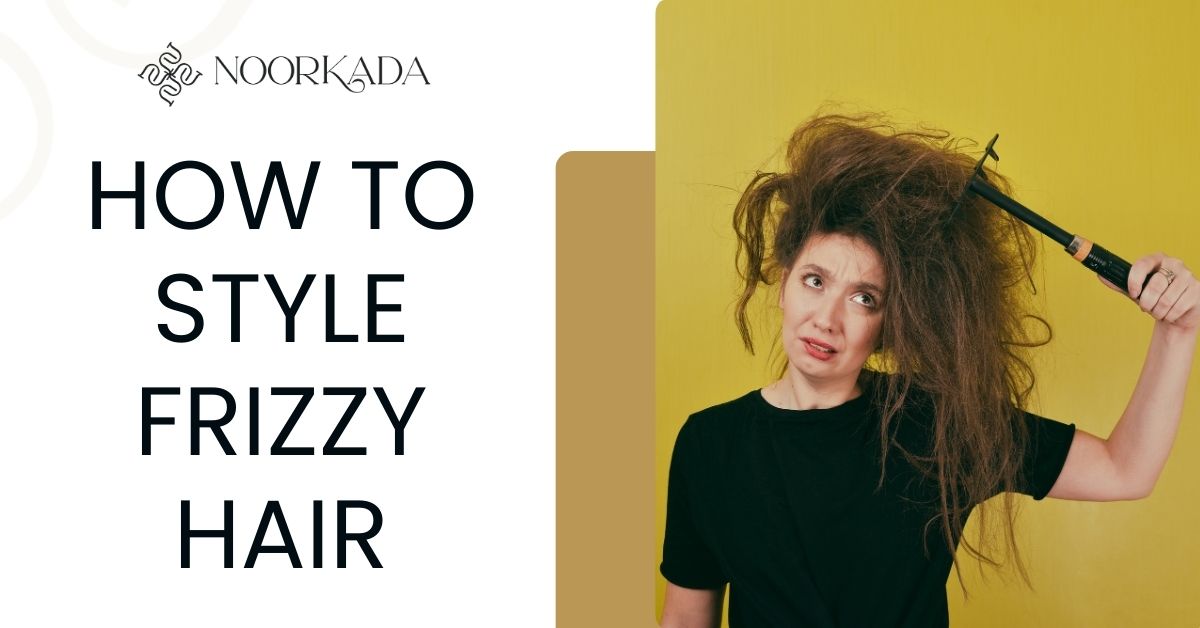
Frizzy hair can be challenging, especially in humid weather or after washing. Managing frizz requires the right techniques, products, and care routine. Styling frizzy hair doesn’t just make you look polished—it also protects your hair from damage and breakage. With professional services like Hair Straightening, Keratin Hair Treatment, and Hair Extensions, you can achieve sleek, manageable hair that lasts longer.
In this guide, we will explore practical tips and styling methods for frizzy hair, from quick fixes at home to salon treatments. Whether you want to tame your hair for daily wear, a party look, or a formal event, these strategies will help you achieve smooth, shiny, and healthy-looking hair.
Quick Comparison for Frizzy Hair Care and Styling
| Aspect | Details to Cover |
| What is Frizzy Hair? | Definition, types (surface, halo, in-the-curl frizz), appearance |
| Causes of Frizzy Hair | Genetics, humidity, dryness, hair damage, chemical treatments |
| Hair Care Routine | Shampoos, conditioners, masks, oils, leave-in treatments |
| Styling Tools | Low-heat tools, diffusers, wide-tooth combs, brushes |
| Styling Products | Serums, creams, gels, mousses, heat protectants |
| Styling Techniques | Air-drying, heat styling, overnight methods |
| Best Hairstyles | Updos, braids, ponytails, buns, loose waves, curls |
| Prevention Tips | Dos and don’ts, maintenance routines |
| Professional Treatments | Keratin, smoothing treatments, salon options |
What is Frizzy Hair and Why Does It Happen?
Frizzy hair is a common hair concern that makes strands appear dry, rough, and unmanageable. It occurs when the hair cuticle is raised or damaged, causing hair to absorb moisture from the environment. Unlike smooth or straight hair, frizzy hair tends to look puffy, uneven, and difficult to style.
What exactly is Frizzy Hair?
Frizzy hair refers to strands that are dry, rough, and prone to flyaways. The hair appears uneven, and light may reflect irregularly along the strands, giving it a fuzzy look. This is different from curly or wavy hair, which may have natural volume but smooth, defined texture.
What Are the Different Types of Frizz?
- Surface Frizz: Fine, flyaway hairs sticking out from the hair shaft.
- Halo Frizz: Frizz forming a “halo” around the head, often visible in backlighting.
- In-the-Curl Frizz: Frizz occurring inside curls, making them look dry and undefined.
Each type may require slightly different styling approaches and products.
What Causes Hair to Become Frizzy?
Frizz can be caused by multiple factors. Genetics determine hair texture and thickness, influencing frizz tendencies. Environmental factors, like humidity, sun, or wind, increase moisture absorption and roughen the hair cuticle. Chemical treatments such as coloring, perming, or straightening can damage hair, while lack of hydration leaves hair dry and prone to frizz.
Why Does Frizzy Hair Get Worse in Humid Weather?
Humidity worsens frizz because hair naturally absorbs water from the air. When the cuticle lifts, excess moisture causes strands to swell and separate. Hot and humid climates can make frizz more noticeable, while winter dryness may create static frizz. Understanding this helps in choosing the right Hair Straightening or Keratin Hair Treatment to manage frizz longer.
Can Frizzy Hair Be Prevented Completely?
Completely preventing frizz is unrealistic, but it can be managed. Regular hair hydration treatments, minimizing heat damage, and using anti-frizz serums help maintain smooth hair. Long-term strategies include professional Hair Straightening or Keratin Hair Treatments, combined with proper hair care routines at home.
How Can You Prepare Frizzy Hair for Styling?
Proper preparation is the key to managing frizz before styling. Using the right shampoo, conditioner, hair mask, and leave-in treatments can make your hair smooth, manageable, and ready for styling or treatments like Hair Straightening or Keratin Hair Treatment.
What Are the Best Shampoos for Frizzy Hair?
Look for sulfate-free shampoos as they cleanse without stripping natural oils. Ingredients like argan oil, coconut oil, or shea butter help maintain moisture and reduce frizz. Popular choices include hydrating shampoos from brands suitable for daily use, especially for chemically treated hair.
Which Conditioners Work Best for Taming Frizz?
A deep, hydrating conditioner softens the hair cuticle and adds shine. Ingredients like keratin, aloe vera, and oils lock in moisture. Apply from mid-lengths to ends and leave for a few minutes before rinsing. This step prepares your hair for styling and prevents frizz while blow-drying or air-drying.
Are Hair Masks Necessary for Frizzy Hair?
Weekly hair masks provide extra nourishment. Store-bought masks or DIY masks with ingredients like keratin, argan oil, or shea butter help restore hydration and smooth the hair shaft. Masks are especially effective for dry, chemically treated, or heat-damaged hair.
What Role Do Leave-In Treatments Play?
Leave-in creams, serums, or sprays create a protective barrier against humidity. Apply on damp hair after washing and conditioning. These treatments prevent frizz, add shine, and make hair easier to style. They are a great addition before using Hair Straightening or styling tools.
How Should You Dry Frizzy Hair?
Use microfiber towels instead of regular cotton towels to reduce friction. Pat-drying rather than rubbing prevents hair breakage. For best results, air-dry when possible or use a blow dryer with a cool setting while using a heat protectant. Proper drying minimizes frizz before styling or treatments.
What Are the Best Styling Products for Frizzy Hair?
Choosing the right styling products can make a huge difference in managing frizz. From serums to primers, each product targets specific hair concerns. Combining these with proper hair care and occasional Keratin Hair Treatment or Hair Straightening can give long-lasting smooth results.
Which Hair Serums Help Control Frizz?
Anti-frizz serums smooth the hair shaft and lock in moisture. Apply a small amount to damp hair, focusing on mid-lengths and ends. Look for serums containing argan oil, silicone, or keratin for maximum frizz control and shine. Serums are perfect for prepping hair before blow-drying or styling.
Do Curl-Defining Creams Work on Frizzy Hair?
Yes, curl-defining creams enhance waves and curls while reducing frizz. Apply to damp hair in sections and scrunch upwards for natural definition. These creams work best on wavy or curly hair and keep your curls soft, hydrated, and bouncy.
Are Hair Oils Effective Against Frizz?
Hair oils like argan, coconut, and jojoba oil nourish and seal the hair cuticle. Use a few drops on damp or dry hair to tame flyaways. Avoid over-applying, especially on fine hair, to prevent greasiness. Oils are also excellent after hair treatments for added shine and softness.
Should You Use Mousse for Volume and Frizz Control?
Hair mousse adds volume while controlling frizz, especially for fine or limp hair. Apply on damp hair and distribute evenly, then style as desired. Mousse keeps hair lightweight and soft while maintaining natural movement without heaviness.
What is a Hair Primer and Do You Need One?
Hair primers protect strands from heat styling and environmental damage. They seal the cuticle, smooth frizz, and enhance styling results. Apply a small amount on damp hair before using a blow dryer, straightener, or curling iron. Ideal for chemically treated or heat-styled hair.
What Are the Best Styling Tools for Frizzy Hair?
Using the right styling tools is essential to control frizz and keep hair smooth. Combining proper tools with Hair Straightening or Keratin Hair Treatment can maximize results and reduce daily hair struggles.
Should You Use Heat on Frizzy Hair?
Heat styling can help tame frizz but must be used cautiously. Stick to safe temperatures (below 180°C) and always apply a heat protectant. Overheating can damage hair cuticles and worsen frizz over time. Use heat only when necessary, and combine with nourishing products for better results.
How Do Diffusers Help Manage Frizzy Hair?
A diffuser is an attachment for your hair dryer that distributes air evenly. It’s excellent for curly and wavy hair because it reduces frizz while maintaining natural curl patterns. Use by scrunching hair gently and letting the diffuser dry strands slowly to avoid frizz spikes.
Which Brushes Are Best for Frizzy Hair?
Wide-tooth combs are perfect for detangling wet hair without breakage. Paddle brushes smooth long or thick hair. Boar bristle brushes distribute natural oils and add shine. Brush only when hair is dry for frizz control and detangle gently when wet to prevent breakage.
Can Straighteners Be Used on Frizzy Hair?
Hair straighteners are effective but must be used with proper technique. Set variable temperature control according to hair type, and never exceed safe heat limits. Limit straightening sessions to reduce damage. Pre-straightening treatments like Keratin Hair Treatment enhance results and maintain smoothness longer.
Are Silk Pillowcases Really Helpful for Frizzy Hair?
Silk pillowcases reduce friction while sleeping, preventing breakage and frizz. Unlike cotton, silk helps hair retain moisture, keeping strands soft and smooth. They are especially helpful for curly or frizz-prone hair and can improve overall hair health overnight.
What Are the Best Techniques to Style Frizzy Hair?
Mastering the right techniques can transform frizzy hair into sleek, manageable styles. Combining proper methods with Hair Straightening, Keratin Hair Treatment, or Hair Extensions ensures long-lasting results and reduces daily frizz battles.
How Can You Air-Dry Frizzy Hair Without Increasing Frizz?
To air-dry frizzy hair effectively, apply a leave-in conditioner or anti-frizz serum while hair is damp. Use the scrunching technique to enhance natural waves or curls. Avoid touching hair while drying, as friction increases frizz. For added smoothness, finish with a lightweight serum once hair is dry.
What is the Best Way to Blow-Dry Frizzy Hair?
Use a nozzle attachment to direct airflow and reduce frizz. Blow-dry in the direction of hair growth to smooth cuticles. Stick to low to medium heat settings and finish with a cool blast to lock in shine. This works well for hairstyles that require volume without frizz.
How Do You Create Heatless Styles for Frizzy Hair?
For frizz-free heatless styling, try overnight braids or heatless curling rods. Apply a curl-defining cream or lightweight mousse before styling to set shape. These techniques are gentle on hair and maintain natural texture without heat damage.
Can You Straighten Frizzy Hair Safely?
Straightening frizzy hair is safe if done correctly. Use a heat protectant every time. Work in small sections, keeping temperatures moderate (below 180°C) to avoid damage. Treatments like Keratin Hair Treatment can enhance straightening results and prolong frizz-free looks.
What is the Scrunching Method for Frizzy Hair?
The scrunching method involves applying a curl cream or anti-frizz serum to damp hair and gently scrunching upwards. This boosts curls or waves without creating frizz. Ideal for wavy and curly hair types, it gives volume and definition while keeping strands soft and manageable.
What Are the Best Hairstyles for Frizzy Hair?
Frizzy hair can be styled beautifully with the right techniques and haircuts. Choosing hairstyles that work with your natural texture reduces daily maintenance and enhances volume. Hair Straightening, Keratin Hair Treatment, or Hair Extensions can also help achieve polished looks.
Which Updos Work Best for Frizzy Hair?
Updos are perfect for frizz control and formal occasions. Try a messy bun, topknot, or classic French twist. Use a lightweight anti-frizz serum and pins to secure strands without flattening natural volume.
How Can You Style Frizzy Hair in a Ponytail?
A ponytail works for casual or professional settings. Choose a high ponytail for a sleek look or a low ponytail for a relaxed vibe. You can go sleek with serum or messy to embrace natural texture.
What Braided Styles Suit Frizzy Hair?
Braids tame frizz while looking stylish. Loose braids, French braids, fishtail, and mermaid braids work well for all hair types. Finish with light-hold hairspray or smoothing serum to prevent flyaways.
Are Half-Up, Half-Down Styles Good for Frizzy Hair?
This style balances volume and control. Secure hair with pins or clips and smooth with leave-in conditioner or curl cream. Ideal for casual events or evening gatherings.
Can You Wear Your Frizzy Hair Down?
Embrace your natural texture for an effortless style. Boost volume by applying hair mousse or anti-frizz serum. Layering haircuts or beachy waves help maintain shape and reduce frizz.
What Short Hairstyles Work for Frizzy Hair?
Short hair can look chic and easy to manage. Try a pixie cut, bob, lob, or shag haircut. Use lightweight styling cream to define texture and avoid stiffness.
Which Long Hairstyles Complement Frizzy Hair?
Long hair offers versatility. Layered cuts, beach waves, natural curls, and straight styles can all work well. Combine with Keratin Hair Treatment or Hair Straightening for smoothness when needed.
How Can You Prevent Frizz in Your Hair?
Preventing frizz starts with proper hair care and consistent routines. With the right techniques, you can reduce flyaways, enhance shine, and make styling easier. Incorporating salon treatments like Keratin Hair Treatment or regular Hair Straightening can provide longer-lasting smoothness.
What Should You Do to Prevent Frizz?
Keep hair moisturized with deep conditioning masks or leave-in treatments. Use low-heat styling tools and protective hairstyles to minimize damage. Regular hair trims remove split ends and maintain healthy strands. Protective styles also reduce friction and breakage.
What Should You Avoid to Prevent Frizzy Hair?
Avoid high-heat tools without protection, vigorous brushing, and harsh chemical treatments like bleaching or perming. Over-washing strips natural oils, causing dryness and frizz. Use gentle sulfate-free shampoos and condition regularly.
How Does Diet Affect Frizzy Hair?
Your diet impacts hair health. Include foods rich in vitamins, minerals, and omega-3 fatty acids to strengthen strands. Staying hydrated keeps hair smooth and shiny. Balanced nutrition supports scalp health, reducing frizz naturally.
What Nighttime Routine Helps Prevent Frizz?
Switch to silk pillowcases to reduce friction while sleeping. Wrap hair in silk or satin bonnets, use leave-in treatments, and try protective styles overnight. These habits prevent breakage, maintain style, and keep hair frizz-free.
What Professional Treatments Are Available for Frizzy Hair?
Professional treatments can make a huge difference for managing frizz, improving shine, and reducing daily styling time. Popular options include Keratin Hair Treatment, Brazilian Blowouts, and other hair smoothing treatments. Choosing the right treatment depends on your hair type, budget, and how long you want the results to last.
What is Keratin Treatment and Does It Work?
Keratin Treatment infuses hair with protein to smooth frizz and enhance shine. Results typically last 2-4 months depending on hair care. Benefits include soft, manageable hair, while some drawbacks can be chemical exposure and cost. Best for damaged, frizzy hair that needs long-lasting smoothness.
Are Brazilian Blowouts Effective for Frizz?
Brazilian Blowouts coat the hair cuticle with a protective protein layer. The process reduces frizz and adds shine immediately. Results last around 10-12 weeks with proper maintenance. This treatment is ideal for those seeking sleek, frizz-free hair without straightening permanently.
Should You Consider a Hair Smoothing Treatment?
Hair smoothing treatments come in several types, from protein-based to semi-permanent formulas. They reduce frizz, add shine, and make hair easier to style. Costs vary depending on the salon and treatment type. These are perfect for curly or wavy hair that needs daily control.
How Often Should You Get Professional Treatments?
Frequency depends on hair health and desired results. Most treatments last 2-4 months, so touch-ups every 3-4 months are common. Pair with deep conditioning, hair masks, and Keratin Hair Treatment at home to prolong results and protect your hair from damage.
What Are Common Mistakes When Styling Frizzy Hair?
Frizzy hair can be tricky, and even small mistakes can make it worse. Understanding what to avoid helps maintain smooth, manageable hair and reduces daily styling time. Many people unknowingly make habits that worsen frizz, even when using hair serums, Keratin Hair Treatment, or deep conditioning masks.
Are You Using Too Much Product?
Applying too much hair serum, mousse, or curl cream can weigh hair down and create buildup. Signs include greasy roots, sticky strands, and dull-looking hair. Use only a pea-sized amount for short hair and slightly more for longer lengths. Layering light products instead of heavy application helps maintain frizz control.
Is Over-Washing Making Your Hair More Frizzy?
Washing hair too often strips natural oils, leaving strands dry and frizzy. For most hair types, washing 2-3 times a week is ideal. Co-washing with sulfate-free conditioners helps retain moisture and reduce frizz without stripping hair.
Are You Brushing Your Hair When It’s Dry?
Brushing dry hair breaks the cuticle, causing more frizz and flyaways. Instead, use a wide-tooth comb on damp hair or fingers to detangle gently. This method protects your natural hair texture and prevents breakage.
Is Your Towel Causing More Frizz?
Regular cotton towels create friction, making frizz worse. Use microfiber towels or a soft cotton T-shirt to gently pat hair dry. Avoid rubbing hair vigorously; always pat or squeeze excess water for smoother strands.
What Are Expert Tips for Managing Frizzy Hair?
Managing frizzy hair requires more than just products; professional techniques and consistent care make a noticeable difference. Hair stylists recommend strategies that combine proper Keratin Hair Treatment, leave-in conditioners, serums, and styling tools for smoother, manageable hair every day.
What Do Hair Stylists Recommend for Frizzy Hair?
Experts suggest using anti-frizz serums, curl-defining creams, and lightweight oils tailored to your hair type. Regular trims prevent split ends, and deep conditioning treatments keep hair hydrated. Stylists also advise air-drying with scrunching techniques and minimal heat to reduce frizz while maintaining natural texture.
How Can You Maintain Frizzy Hair Between Washes?
To keep hair smooth, use dry shampoo or refreshing sprays on roots and mid-lengths. Light application of leave-in conditioners or anti-frizz serums helps revive curls or waves. Twisting or braiding hair overnight preserves shape and reduces frizz, making styling faster the next day.
What Temperature Should You Use When Heat Styling?
Always match heat settings to your hair type. Fine or damaged hair: 120-150°C, medium hair: 150-180°C, thick or coarse hair: 180-200°C. Use a heat protectant to avoid damage. Consider temperature calculator tools available online for precise control and safer styling.
Frequently Asked Questions About Styling Frizzy Hair
Can Frizzy Hair Ever Be Completely Smooth?
Completely smooth hair is difficult for naturally frizzy or curly hair types. Using Keratin Hair Treatment, smoothing serums, and proper styling tools can dramatically reduce frizz, but maintaining healthy hydration and avoiding heat damage is key for long-lasting results.
How Long Does It Take to See Results with Frizz Treatments?
Professional treatments like Keratin Hair Treatment or Brazilian Blowouts show results immediately, but hair may take a few weeks of consistent care with leave-in conditioners, serums, and anti-frizz products to fully respond and stay smooth.
Is Frizzy Hair Damaged Hair?
Not always. Frizz can result from genetics or humidity, but hair that is dry, chemically treated, or heat-damaged will frizz more. Regular deep conditioning, hair masks, and trims help prevent damage and improve hair texture.
Can You Embrace Frizz as a Style?
Yes! Many modern hairstyles celebrate natural texture. Using curl creams, styling mousses, and protective hairstyles can enhance volume and define frizz into a stylish, voluminous look.
What’s the Difference Between Frizz and Volume?
Volume gives hair body and lift, while frizz is uncontrolled, dry, and rough strands. The right hair oils, serums, and Keratin Hair Treatments can reduce frizz without flattening natural volume.
How Do Hormones Affect Frizzy Hair?
Hormonal changes during pregnancy, menopause, or thyroid issues can affect oil production and hair texture. Hydration, gentle styling, and smoothing treatments help manage hormonal frizz changes.
Does Cutting Hair Reduce Frizz?
Trims don’t stop frizz but remove split ends, making hair appear smoother. Regular cuts paired with deep conditioning and hair masks improve overall manageability.
Can Hard Water Cause Frizzy Hair?
Yes. Minerals in hard water coat hair, making it dry and frizzy. Using clarifying shampoos, leave-in conditioners, and protective treatments reduces the effects of hard water and maintains smoothness.
Conclusion: Mastering the Art of Styling Frizzy Hair
Styling frizzy hair requires the right combination of care, products, and techniques. From proper washing, conditioning, and leave-in treatments to using serums, heat tools safely, and professional treatments like Keratin Hair Treatment, you can significantly reduce frizz while enhancing your hair’s natural texture. Embracing your hair type and understanding what works best for your hair will make styling easier and more effective.
For those looking for professional guidance and expert results, Noor Kada offers complete hair care and styling services in Multan. Whether you want to smooth, tame, or creatively style your frizzy hair, their experienced team can help. Book your appointment today at +92 3422309308 and transform your frizz into gorgeous, manageable hair.