Short hair is no longer limited to just one or two looks. In 2026, short hairstyles for women are all about versatility, confidence, and effortless styling. From soft pixie cuts and textured bobs to modern cropped styles, short hair offers endless ways to express personality without spending hours in front of the mirror.
One of the biggest advantages of short hair styling is how easily it adapts to different moods and occasions. You can go sleek and polished for professional settings, messy and textured for casual days, or bold and edgy for nights out. With the right techniques and products, even the shortest haircut can be transformed into multiple looks.
This complete guide is designed to help you discover 50+ proven ways to style short hair for women, focusing on modern trends, practical methods, and real-life styling ideas for 2026. Whether you have fine, thick, straight, wavy, or curly hair, you’ll find styles that enhance your natural texture while keeping your routine simple and damage-free.
Why Should Women Choose Short Hairstyles?
Short hairstyles have become a powerful style statement for women who want confidence, simplicity, and modern elegance. In 2026, short hair is not just about convenience, it’s about smart beauty choices that fit real lifestyles. Whether you prefer a soft bob or a bold pixie, short hair offers freedom that longer styles often cannot.
What Are the Benefits of Short Hair for Women?
One of the biggest benefits of short hair is low maintenance styling. Short cuts require less washing time, faster drying, and minimal daily effort, making them ideal for busy routines. You can achieve a polished look in minutes without relying on heavy tools or excessive products.
Short hairstyles are also cost-effective, as they use smaller amounts of shampoo, conditioner, and styling products. This makes them a smart choice for women who want beauty without ongoing expense.
Another key advantage is versatility. Short hair can be styled sleek, textured, messy, or soft depending on the occasion. With the right technique, a single haircut can create multiple looks throughout the week.
Short haircuts naturally provide face-framing effects, drawing attention to your eyes, cheekbones, and jawline. This creates a youthful and flattering appearance while enhancing natural facial features.
Professionally, short hairstyles give a clean, chic, and confident look, making them perfect for office environments, meetings, and formal settings. They also stay comfortable and fresh, especially in warm or humid weather, helping you feel lighter and cooler all day.
Who Should Consider Getting Short Hair?
Short hairstyles work especially well for women with fine or thinning hair, as shorter lengths create the illusion of volume and fullness. Strategic cuts add lift and movement that longer hair may lack.
Women with busy lifestyles or professional schedules often choose short hair for its quick styling and reliability. If you prefer getting ready fast without sacrificing style, short hair is an excellent option.
Those seeking a bold transformation or a fresh new chapter often find short hair empowering. It reflects confidence, independence, and modern beauty.
Short hairstyles are also highly popular among women over 40, 50, or 60, as they provide a refined, youthful look that’s easy to maintain while enhancing facial structure.
Active individuals, fitness enthusiasts, and athletes benefit from short hair’s comfort and practicality, especially during workouts or outdoor activities.
In terms of face shape, short hair suits round, oval, and heart-shaped faces beautifully when cut correctly, offering balance and proportion while highlighting natural beauty.
Short hair isn’t just a haircut, it’s a lifestyle upgrade that blends style, ease, and confidence effortlessly.
What Are the Most Popular Short Hairstyles for Women in 2026?
Short hair trends in 2026 focus on movement, personalization, and effortless styling. Modern cuts are designed to suit different face shapes, hair textures, and lifestyles while staying stylish and easy to manage. Below are the most in-demand short hairstyles women are choosing this year.
What Is a Pixie Cut and How Do You Style It?
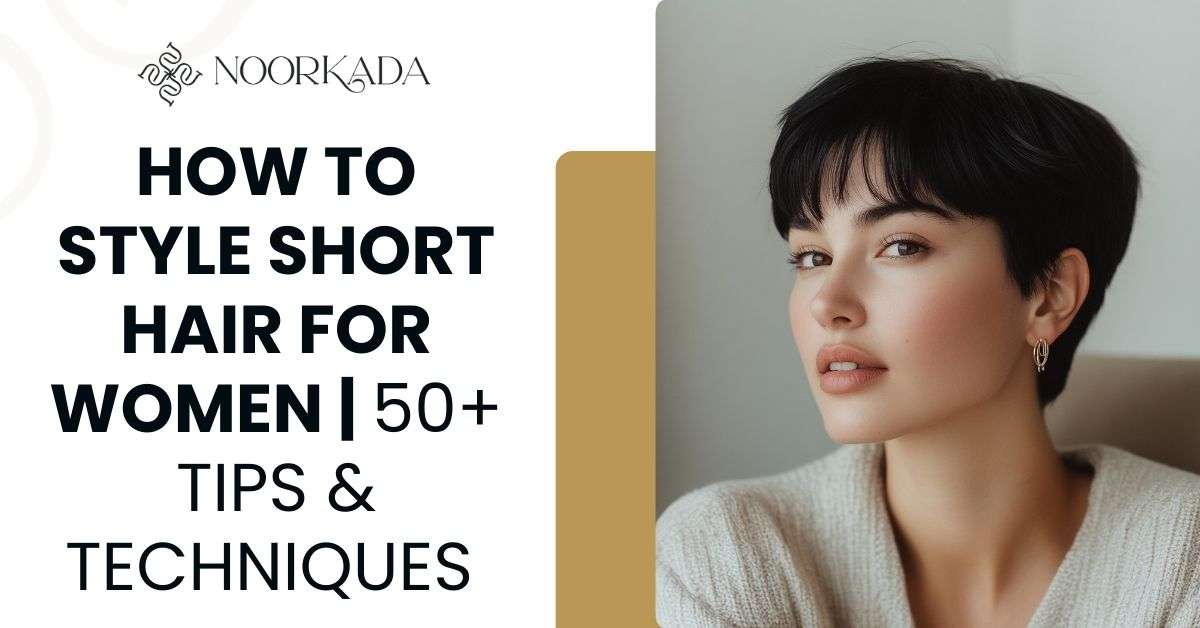
A pixie cut is a short hairstyle where hair is cropped close to the head, usually shorter on the sides and back with slightly longer length on top. In 2026, pixies are all about texture and softness rather than overly sharp lines.
Classic short pixie styles feature clean edges and minimal length, perfect for a polished, professional look. For a more modern feel, textured pixie variations add choppy layers that create movement and volume, especially for fine hair.
Undercut pixie options are trending for women who want a bold edge. These styles keep the sides or back ultra-short while leaving length on top for contrast. A long pixie offers more styling flexibility, allowing side-swept bangs, soft waves, or slicked-back looks.
For daily styling, lightweight texturizing cream, matte paste, or styling mousse works best. Pixie cuts flatter oval, heart, and angular face shapes, highlighting cheekbones and jawlines beautifully.
How Do You Style a Bob Haircut?
The bob haircut remains one of the most versatile short hairstyles for women. A classic blunt bob delivers a sharp, clean silhouette that looks elegant when styled straight with a smooth finish.
For a relaxed vibe, textured bob techniques use soft layers and tousled styling to create movement. Inverted or stacked bobs add volume at the back, making them ideal for fine or flat hair.
The A-line bob keeps hair longer in the front, creating a slimming and face-framing effect, while asymmetrical bobs introduce modern drama with uneven lengths. The French bob, typically chin-length with soft bangs, offers effortless Parisian charm.
Bobs can be styled wavy for softness or straight for a sleek look, making them suitable for both casual and professional settings.
What Is a Bixi Cut and How Does It Work?
The bixie cut is a hybrid style that blends the structure of a bob with the shortness of a pixie. It offers more length than a pixie but feels lighter than a traditional bob.
This style is loved for its styling versatility, allowing wearers to switch between messy texture and smooth finishes. The bixie works best on fine to medium hair types, as layers create natural lift and shape.
Maintenance is moderate, with trims recommended every 6–8 weeks. Minimal products like light mousse or styling cream keep the look fresh. One major advantage is that the bixie has an easy growing-out phase, making it ideal for women transitioning from very short to mid-length hair. It suits oval, round, and heart-shaped faces especially well.
How Can You Style a Shag Haircut?
The modern shag haircut is defined by layered lengths, feathered ends, and natural movement. In 2026, shags are softer and more wearable while still maintaining their signature edge.
Shags adapt well to straight, wavy, and curly textures, making them highly inclusive. Styling focuses on enhancing natural texture using sea salt spray, curl cream, or volumizing mousse.
Shags look great with both air-drying techniques for a relaxed finish or blow-drying to boost volume. To add extra lift, focus styling products at the crown. Regular trims help maintain shape, and curtain bangs or wispy fringe pair perfectly with shag cuts for a youthful appearance.
What Are Tapered Cuts and How Do You Maintain Them?
Tapered cuts feature gradually shortened hair toward the nape and sides, creating a clean, sculpted look. Tapered pixie styles are especially popular for women who want structure with softness on top.
Some tapered cuts include fade variations, where the hair blends seamlessly from very short to longer lengths. Styling short tapered hair usually requires minimal product, such as light pomade or curl cream, depending on texture.
Maintenance is key, with trims recommended every 3–5 weeks to keep the taper sharp. While basic upkeep can be done at home, professional shaping ensures precision. These cuts are particularly flattering for natural hair textures, enhancing curls, coils, and volume without excessive manipulation.
How Do You Style Short Hair with Different Textures?
Styling short hair depends heavily on your hair’s natural texture. Each texture offers unique opportunities for versatile looks, from sleek and polished to voluminous or defined curls. Here’s a detailed guide for straight, wavy, curly, and natural hair types.
How Can You Style Short Straight Hair?
Short straight hair can look effortlessly chic with the right techniques. Start by creating a sleek and polished finish using a fine-tooth comb and lightweight smoothing serum. For added volume, apply a root-lifting spray or mousse before blow-drying or air-drying.
If you want texture, try texturizing sprays or light pomades to create piece-y layers or tousled effects without weighing hair down. Quick morning routines can be as simple as towel-drying, applying product, and finger-styling. Avoid flatness by keeping hair slightly tousled or using volumizing powders at the roots.
What Are the Best Ways to Style Short Wavy Hair?
Short wavy hair thrives when natural waves are enhanced rather than flattened. Air-drying with a curl-enhancing cream or scrunching with mousse helps define waves. Sea salt sprays work well for creating effortless, beach-inspired textures.
For more volume and definition, use a diffuser attachment on low heat or simply allow waves to dry naturally. Frizz can be minimized with lightweight serums or anti-frizz sprays. Wavy short hair also allows playful styling, like casual tousled looks or soft side parts, perfect for day-to-day versatility.
How Do You Style Short Curly Hair?
Short curly hair benefits from techniques that define curls while maintaining moisture. Begin with a leave-in conditioner or curl cream to hydrate. Layer products, like a curl-defining gel over cream, for longer-lasting definition.
Techniques like finger coiling or twist-outs create well-formed curls, while diffusing on low heat or air-drying preserves natural shape and prevents frizz. Wash-and-go routines are ideal for busy mornings, allowing curls to spring naturally with minimal manipulation.
How Can You Style Short Natural or Afro Hair?
For short natural or Afro-textured hair, start with a TWA (teeny weeny afro) or tapered afro cut as a foundation. Curl definition can be enhanced with curl creams, moisturizing butters, or gels.
Protective styles, such as mini twist-outs or braid-outs, can maintain shape while keeping hair healthy. Regular moisture and oil application prevents dryness, while pick-out techniques create volume without disrupting curl definition. This approach allows short natural hair to look full, soft, and stylish every day.
What Are the Best Styling Techniques for Short Hair?
Short hair offers incredible versatility when styled with the right techniques. Whether you prefer a sleek, polished look, bouncy curls, or a natural air-dried finish, using proper methods ensures your short hairstyle looks effortless and lasts throughout the day.
How Do You Blow Dry Short Hair Properly?
Blow-drying short hair can create volume, shine, and shape. Use a round brush to lift roots while directing hair in the desired style. For volumizing blow-drys, lift hair at the crown and angle the brush upward as you blow-dry from below.
A sleek blow-out requires pulling hair taut while smoothing with the brush. Always apply heat protection before using the dryer to prevent damage. Finish with a cool shot to lock the style in place and add shine. Essential tools include a blow dryer with nozzle, round brush, and clips for sectioning.
How Can You Use a Flat Iron on Short Hair?
Flat irons aren’t just for long hair—they’re excellent for short styles too. Use the iron to straighten short lengths, create flips and bends, or add subtle texture. Work in small sections, lifting roots slightly to prevent flatness and maintain volume.
Adjust temperature settings according to hair type—lower for fine hair and higher for thick or coarse hair. Always apply heat protectant to prevent damage, and move the iron in slow, controlled motions for precise styling.
What Are the Best Curling Methods for Short Hair?
Short hair curls beautifully when the right tools are used. A small-barrel curling iron or curling wand works well for tight curls or soft waves. Hot rollers or Velcro rollers are ideal for adding volume and bounce without overloading the hair with heat.
To set curls effectively, let them cool completely before touching or styling. Use lightweight holding sprays or texturizing products to maintain definition without weighing hair down.
How Do You Air Dry Short Hair Successfully?
Air-drying is a heat-free way to style short hair, perfect for casual, effortless looks. Start with applying lightweight styling products, like mousse or curl cream, on damp hair. Use scrunching techniques to enhance texture or waves.
Diffusing attachments can accelerate drying while maintaining volume, and microfiber towels or soft t-shirts prevent frizz. While drying, avoid over-touching the hair and finish with a light styling spray to maintain shape.
How Do You Style Short Hair with Bangs?
Bangs add personality and dimension to short hairstyles. Choosing the right type of bangs and learning proper styling techniques ensures a polished, effortless look while highlighting your facial features.
What Are Curtain Bangs and How Do You Style Them?
Curtain bangs are parted in the center or slightly off-center, framing the face softly. To style, use a round brush while blow-drying to curve the ends outward, creating a natural flow. For added precision, a flat iron can shape the fringe gently.
Light styling products like texturizing sprays or lightweight mousse help maintain the hold without stiffness. Curtain bangs are low-maintenance, grow out gracefully, and work well with pixies, bobs, and shags, enhancing the face-framing effect.
How Can You Style Blunt Bangs with Short Hair?
Blunt bangs are cut straight across and create a bold, modern look. Blow-dry using a straight brush or comb to keep them aligned. Prevent separation by applying a small amount of smoothing cream or light pomade.
Trimming occasionally at home ensures they stay even. Blunt bangs can also be side-swept for variety and pair beautifully with bobs, bixies, or tapered pixies, adding structure and sophistication to short haircuts.
How Do You Manage Wispy or Textured Bangs?
Wispy or textured bangs create a softer, airy appearance. Use piece-y styling techniques and lightweight texturizing sprays to maintain separation without heaviness. Finger styling is ideal for achieving a natural, effortless finish.
Blending wispy bangs with short layers helps maintain overall harmony in the haircut. These bangs require regular maintenance to prevent overgrowth but are forgiving for versatile daily styling.
What Are Side-Swept Bangs and How Do They Work?
Side-swept bangs are angled across the forehead, flattering various face shapes. Create the sweep with a blow dryer and round brush, pin in place if needed, and finish with a light holding product.
They grow out easily and offer versatility, pairing with short bobs, pixies, and shags. Daily styling is simple—just re-sweep with fingers or brush for a soft, polished look that enhances your short haircut effortlessly.
How Do You Add Volume to Short Hair?
Adding volume to short hair is essential for creating dynamic, full-bodied styles that look polished and effortlessly stylish. Whether your hair is fine, straight, or wavy, using the right techniques and products can make a huge difference.
What Products Add Volume to Fine Short Hair?
Fine short hair can benefit greatly from lightweight volumizing products. Popular options include volumizing mousses, root lift sprays, texturizing powders, and dry shampoos for instant lift. Thickening serums can also enhance strand density without weighing hair down.
Application tips: Apply mousse or root lift spray to damp roots, layer texturizing powders at the crown after drying, and combine dry shampoo for second-day hair to maintain volume. Using product combinations strategically ensures long-lasting, natural lift without stiffness.
How Can You Tease or Backcomb Short Hair?
Teasing or backcombing is a classic method to create height and fullness. Work section by section, starting at the crown, using a fine-tooth comb. Lift hair and gently backcomb toward the roots.
Once teased, smooth the top layer lightly to avoid a messy look. Set the style with a light holding spray and avoid overdoing it to prevent damage. Teasing is ideal for special occasions or when extra lift is desired.
What Blow-Drying Techniques Create Volume?
Blow-drying can transform flat short hair into a voluminous, bouncy style. Techniques include upside-down drying, lifting roots with a round brush, and using directional airflow to create natural movement.
A cool shot locks volume in place, while a diffuser attachment can enhance natural waves. For extra lift, finish with Velcro rollers and layer products such as mousse, root lift spray, or light styling cream during the blow-dry.
How Do Rollers Work on Short Hair?
Rollers are perfect for creating instant lift and texture. Velcro rollers are ideal for fine hair and provide volume at the roots, while hot rollers add smooth, defined waves.
Placement is key: position rollers under layers and at the crown for maximum height. Allow sufficient setting time, remove carefully to avoid tangles, and choose small to medium sizes depending on desired curl or lift. Use rollers to enhance natural movement or create retro-inspired volume.
What Are the Best Styling Products for Short Hair?
Short hairstyles thrive with the right styling products. Choosing lightweight, effective formulas ensures your cut looks polished, textured, and voluminous without weighing it down or making it greasy.
Which Mousses Work Best for Short Hair?
Mousses are versatile for adding volume, texture, and lift. Look for volumizing formulas for fine hair and texturizing mousses for layered or wavy cuts. Apply a small amount to damp hair, focusing on roots and mid-lengths.
For short hair, less is more—overuse can flatten the style. Apply mousse evenly, scrunch for texture, and choose top brands in 2026 designed for fine, medium, or thick hair types.
How Do You Use Pomade or Wax on Short Hair?
Pomade and wax are perfect for piece-y, textured looks or slicked-back styles. Use a pea-sized amount, warm it between fingers, and apply from mid-lengths to ends.
Finger styling allows precision and control, defining strands without clumping. Choose matte finishes for natural texture and shiny formulas for polished looks. Ideal for pixies, crops, and edgy bobs.
What Are the Best Texturizing Sprays?
Texturizing sprays add dimension, volume, and movement to short hair. Popular options include dry texture sprays, sea salt sprays, and volumizing sprays. Spray lightly on roots or throughout hair and layer for enhanced texture.
These sprays are perfect for creating effortless waves, messy looks, or structured volume. Choose products suitable for your hair type—fine, medium, or thick—and follow top 2026 recommendations for long-lasting effects.
How Should You Use Hairspray on Short Styles?
Hairspray is the finishing touch for any short hairstyle. Light-hold sprays provide flexibility and touchability, while stronger-hold options secure structured or voluminous styles.
Hold sprays 6–8 inches away from hair to prevent stiffness. Layering lightly over product or teased sections increases longevity without weighing hair down. Select formulas specifically designed for short hair to maintain bounce and movement.
How Do You Style Short Hair for Different Occasions?
Short hair is versatile, allowing women to adapt their looks for everyday wear, professional settings, formal events, or trendy styles. Knowing the right techniques and products ensures your haircut suits the occasion perfectly.
What Are Easy Everyday Short Hairstyles?
For a quick, low-maintenance look, try wash-and-go styles or a simple 5-minute blow-dry. Apply a light mousse or texturizing spray to damp hair, scrunch or comb through, and let air-dry for natural movement.
These styles provide a polished yet casual appearance, perfect for running errands, casual meet-ups, or working from home. Minimal effort products and techniques keep the hair looking fresh all day without fuss.
How Can You Style Short Hair for Work or Professional Settings?
Professional styling focuses on polished and sleek looks. Blow-dry straight with a round brush, or smooth hair with a flat iron for clean lines. Use light-hold pomade or serum to control flyaways and maintain shine.
Accessories like subtle clips or headbands can enhance the style without overpowering it. These styles are easy to replicate in the morning and remain intact throughout the workday, giving a confident and professional appearance.
What Are Elegant Short Hairstyles for Formal Events?
Short hair can look glamorous with sleek side-parts, finger waves, or pin curls. Add hold sprays and shine products to keep styles intact for evening events or weddings.
Incorporate hair accessories like decorative pins or combs for a vintage-inspired flair. These hairstyles balance elegance and sophistication, perfect for red-carpet events, parties, or special occasions.
How Do You Create Edgy or Trendy Short Styles?
For bold, modern looks, opt for messy textured cuts, spiky hair, or asymmetrical designs. Use strong-hold pomades, waxes, or texturizers to define layers and emphasize structure.
Highlight undercuts, colors, or bold textures to enhance the trendy vibe. These styles are ideal for fashion-forward events, night outs, or creative workplaces, offering maximum personality and modern appeal.
How Do You Style Short Hair as It Grows Out?
Growing out short hair can be tricky, but with the right techniques and products, you can maintain a stylish look throughout every stage. Patience and creativity are key to avoiding awkward phases while keeping hair manageable.
What Are the Awkward Length Solutions?
During transitional lengths, focus on strategic styling to minimize awkward phases. Use bobby pins or clips to secure stray layers, and experiment with headbands, scarves, or side parts to create flattering shapes.
Products like light hold sprays, texturizers, or smoothing creams help tame flyaways and maintain control. Regular trims prevent the shape from looking messy and keep your growing hair looking intentional.
How Can You Transition from Pixie to Bob?
Moving from a pixie cut to a bob requires managing uneven lengths and growing bangs. Use temporary styling techniques, such as curling the ends, twisting sections, or pinning shorter layers back.
Styling products like mousse, pomade, or anti-frizz serums help create smoothness and texture during the growth phase. Schedule regular shaping trims to guide the hair naturally, and celebrate milestones as your hair lengthens into a polished bob.
What Products Help During Growth Stages?
To maintain control and style during growth:
- Anti-frizz serums for smoothness
- Smoothing creams to tame flyaways
- Bobby pins and clips for creative styling
- Headbands and scarves for variety
- Texturizing sprays to add movement
- Light-hold hairsprays for setting styles
- Edge control products for polished finishes
With these tools and techniques, growing out short hair becomes an opportunity to experiment with new looks rather than a frustrating phase.
How Should Different Age Groups Style Short Hair?
Short hair can be adapted for any age, with styles that enhance features, maintain elegance, and suit lifestyle needs. Choosing the right cut and styling approach ensures your hair looks modern, flattering, and manageable at every stage of life.
What Are the Best Short Hairstyles for Women in Their 20s-30s?
Women in their 20s and 30s can experiment with trendy pixie cuts, edgy undercuts, or textured bobs. Bold colors, highlights, and playful styling allow fashion-forward expression.
These hairstyles balance low-maintenance convenience with versatility, letting younger women try different textures, accessories, or volume techniques for casual, professional, or social occasions.
How Should Women Over 40 Style Short Hair?
For women over 40, sophisticated bobs, classic pixies, and face-framing layers are excellent choices. Focus on volume-boosting techniques to add lift and maintain youthful movement.
Choose age-appropriate colors and low-maintenance styles that flatter the face, minimize fine lines, and work for professional or casual settings without compromising elegance.
What Are Flattering Short Styles for Women Over 50?
Soft layered pixies and elegant bobs are ideal for women over 50. Adding volume at the crown and wispy textures can enhance shape and provide a youthful appearance.
These styles help camouflage thinning areas while remaining easy to maintain. Gray coverage or subtle enhancement adds sophistication without heavy upkeep, making them perfect for active lifestyles.
How Can Women Over 60 Style Short Hair?
Women over 60 benefit from low-maintenance cuts with gentle styling techniques. Focus on light layers, wispy textures, and face-framing cuts to maintain elegance and volume.
Embracing natural gray hair can create a sophisticated, effortless look. Styles that prioritize comfort, manageability, and flattering shapes allow women in their 60s to enjoy short hair without extensive daily effort.
What Face Shapes Work Best with Short Hair?
Choosing a short hairstyle that complements your face shape is essential for a balanced, flattering look. The right cut can highlight your best features, soften angles, and enhance your natural beauty while ensuring your style looks intentional and polished.
How Do You Style Short Hair for Oval Faces?
Oval faces are considered the most versatile, meaning nearly any short hairstyle works beautifully. Pixies, bobs, and layered cuts all suit this face shape.
Tips for oval faces:
- Experiment with textured pixies or sleek bobs
- Highlight features with side-swept bangs or layers
- Avoid cuts that completely hide the face
- Styling freedom allows both classic and trendy looks
What Short Styles Flatter Round Faces?
For round faces, the goal is to elongate and slim the appearance. Focus on adding height at the crown and incorporating asymmetrical or angled cuts.
Effective short hairstyles:
- Side-parted pixies with volume
- Angled bobs longer in front
- Layered styles to create dimension
- Avoid blunt chin-length cuts that emphasize roundness
How Should Square Faces Wear Short Hair?
Square faces benefit from styles that soften angular jawlines. Textured layers, wispy bangs, and rounded bob shapes work best.
Styling tips:
- Side-swept or soft fringe to frame face
- Avoid blunt, rigid lines that highlight the jaw
- Incorporate movement and texture
- Pixies with layered ends add softness
What Works for Heart-Shaped Faces?
Heart-shaped faces have a wider forehead and narrower chin. Styles should balance the face proportionally.
Best approaches:
- Chin-length bobs to add width at the jaw
- Side-swept or textured pixies to soften forehead
- Avoid volume at crown that exaggerates width
- Wispy bangs or layers help create harmony
How Can Long Faces Style Short Hair?
For long faces, the aim is to add width and avoid excessive height. Layers, horizontal volume, and side parts create balance.
Recommended styles:
- Textured bobs with side-swept bangs
- Full, layered pixies
- Wispy or curtain bangs to shorten appearance
- Avoid overly tall hairstyles that elongate the face further
How Do You Maintain and Care for Short Hair?
Short hair looks stylish only when it’s well-maintained and healthy. Regular care ensures your cut stays fresh, your texture is vibrant, and styling is effortless. Proper maintenance routines also prevent damage, frizz, and awkward growth stages.
How Often Should You Trim Short Hair?
Short hairstyles require more frequent trims to maintain shape and style.
- Pixie Cuts: Trim every 3-4 weeks to preserve edges and texture
- Bob Cuts: Trim every 6-8 weeks for clean lines and volume
- Watch for split ends, uneven growth, or loss of shape as signs for a trim
- Decide between salon maintenance or careful at-home touch-ups
- Regular trims prevent awkward lengths during growth and keep your style polished
What Are the Best Hair Care Routines for Short Styles?
Short hair needs care that balances cleanliness, moisture, and styling flexibility:
- Wash 2-3 times a week or as needed based on oiliness
- Use lightweight conditioners to avoid weighing down layers
- Incorporate deep treatments weekly for shine and health
- Always use heat protectant when styling with tools
- Avoid product buildup by washing or clarifying occasionally
- Maintain scalp health with gentle massage or exfoliating products
- Night routines like smoothing or wrapping help retain style and reduce frizz
How Do You Protect Short Hair While Sleeping?
Even short hair can lose shape overnight, so protective measures help:
- Use a silk or satin pillowcase to reduce friction
- Bonnets or wraps preserve curls, waves, or volume
- Sleep in styles that minimize flattening (pineapple method for textured hair)
- Refresh in the morning with light leave-in spray or styling cream
- Keep edges and bangs intact with gentle smoothing
What Tools Are Essential for Styling Short Hair?
Having the right tools makes short hair styling quick and precise:
- Quality blow dryer with multiple heat settings
- Round brushes in small to medium sizes for volume
- Flat iron designed for short hair for sleek or flipped styles
- Small barrel curling iron for curls or waves
- Fine-tooth comb for precision styling
- Wide-tooth comb for detangling and gentle smoothing
- Bobby pins and clips for securing layers, bangs, or updos
Short hair shines with consistent trims, proper care, and the right tools, making styling effortless and maintaining a polished look every day.
How Can You Add Accessories to Short Hair?
Accessorizing short hair is a fun way to elevate your style and add personality. The right pieces can complement your cut, highlight facial features, and make a casual or formal look more polished.
What Headbands Work with Short Hairstyles?
Headbands are versatile and can suit almost any short hairstyle:
- Thin vs Thick Headbands: Thin ones create subtle detail, thick ones make a bold statement
- Placement: Wear close to the hairline for sleek looks or slightly back for volume
- Styling Around Headbands: Smooth bangs, tuck layers behind the band, or leave pieces loose
- Materials: Fabric, plastic, metal, or embellished options
- Casual vs Formal: Simple headbands for everyday, embellished or jeweled for events
- Preventing Slipping: Choose non-slip designs or secure with bobby pins
How Do You Use Bobby Pins and Clips?
Pins and clips are essential for control and decoration:
- Strategic Placement: Secure layers, bangs, or grown-out sections
- Vintage Looks: Create pin curls or retro styles with precise pinning
- Taming Flyaways: Smooth stray hairs discreetly
- Decorative Options: Jewel-encrusted or colored pins for flair
- Invisible Pinning: Match pin color to hair for a seamless look
- Color Coordination: Combine with hair color or outfit for style cohesion
Can You Wear Scarves with Short Hair?
Scarves are an easy and stylish accessory for short cuts:
- Headscarf Styling: Wrap around the head for a chic or boho look
- Retro Bandana Looks: Fold into triangles and tie at the nape or side
- Silk Scarf Techniques: Smooth material protects hair while adding elegance
- Protecting Hair: Keeps hair in place and prevents frizz during windy days
- Adding Color and Pattern: Bright scarves can make short hair pop
- Folding and Tying Methods: Turban style, side knot, or headband wrap
- Occasion-Appropriate Styles: Casual, festival, or formal-ready looks
Accessories make short hairstyles versatile and playful, letting you easily transform your look for any occasion.
What Are Common Short Hair Styling Mistakes?
Even with short hair, it’s easy to make styling errors that damage hair or ruin your look. Knowing the common mistakes and how to avoid them helps maintain healthy, stylish hair.
How Do You Avoid Over-Styling Short Hair?
Short hair is delicate and over-styling can cause issues:
- Product Overload: Using too many products weighs hair down or makes it greasy
- Too Much Heat: Frequent flat ironing, curling, or blow-drying damages cuticles
- Over-Teasing: Excessive backcombing can weaken roots and break strands
- Finding Balance: Use minimal tools and products for maximum effect
- Less Is More Approach: Let natural texture shine through
- Embrace Natural Texture: Enhance waves or curls instead of forcing straightness
- Healthy Hair Priorities: Focus on nourishment and gentle styling
What Products Should You Avoid on Short Hair?
Some products can weigh hair down or damage fine short styles:
- Heavy Oils: Can make fine hair limp
- Wrong Hold Levels: Too strong or too light hold disrupts style
- Alcohol-Based Sprays: Dry out short hair quickly
- Incompatible Combinations: Layering products with conflicting formulas
- Buildup-Causing Products: Can flatten volume and make hair greasy
- Outdated Formulas: Lose effectiveness or damage hair
- Wrong Hair Type Products: Avoid thick creams for fine hair or lightweight sprays for coarse hair
How Can You Prevent Heat Damage?
Protecting short hair from heat keeps it healthy and shiny:
- Temperature Control: Use medium or low heat settings
- Heat Protectant: Always apply before blow-drying or ironing
- Limiting Frequency: Avoid daily use of hot tools
- Air-Dry Alternatives: Let hair dry naturally when possible
- Tool Quality: Invest in professional-grade blow dryers and irons
- Cooling Before Styling: Let hair cool slightly to lock style
- Watch for Damage Signs: Split ends, dryness, or frizz indicate overuse
Proper care and mindful styling ensures short hair stays stylish, voluminous, and healthy.
Short Hair Styling Guide by Hair Type
| Hair Type | Best Short Cuts | Styling Time | Recommended Products | Maintenance Level | Styling Difficulty |
| Fine/Thin | Pixie, Layered Bob, Textured Crop | 5–10 min | Volumizing mousse, Root lift spray, Texturizing powder | High (frequent trims) | Easy–Medium |
| Thick | Tapered Cut, Shag, Undercut Pixie | 10–15 min | Smoothing cream, Anti-frizz serum, Strong hold gel | Medium | Medium |
| Straight | Bob, Sleek Pixie, Blunt Cut | 5–10 min | Heat protectant, Shine serum, Light hairspray | Medium–High | Easy |
| Wavy | Textured Bob, Shag, Bixie | 5–15 min | Curl cream, Sea salt spray, Mousse | Medium | Easy–Medium |
| Curly | Curly Pixie, Layered Bob, Natural Crop | 10–20 min | Curl defining cream, Leave-in conditioner, Gel | Medium–Low | Medium |
| Coily/Kinky | TWA, Tapered Afro, Short Locs | 15–30 min | Moisture cream, Edge control, Oil blend | Low–Medium | Medium–Hard |
How Do You Choose the Right Short Hairstyle?
Choosing the perfect short hairstyle for women requires more than just picking a trendy cut. It’s about matching your hair type, face shape, lifestyle, and personal style. The right cut should enhance your facial features, work with your natural hair texture, and fit your daily routine.
Consider whether you want a bold, edgy look like a pixie or tapered cut, or a classic, versatile style like a bob or shag. Your hair’s thickness, curl pattern, and natural volume also play a big role in how the style will look and behave.
Lifestyle and maintenance are equally important. If you have a busy schedule, a low-maintenance cut that requires minimal styling might be ideal. On the other hand, if you enjoy experimenting with different looks, you can choose a style that allows for more versatility and creativity.
Consulting with a professional stylist, bringing inspiration photos, and asking the right questions ensures you get a cut that suits your personality, enhances your features, and is easy to maintain. This thoughtful approach helps you confidently embrace your new short hairstyle.
What Should You Consider Before Cutting Your Hair Short?
Before going short, it’s important to evaluate several factors to ensure your new look suits you:
- Face shape analysis – Determine whether oval, round, square, heart, or long to choose flattering cuts.
- Hair texture assessment – Straight, wavy, curly, or coily hair will affect styling options and maintenance.
- Lifestyle considerations – Active routines or professional environments may influence your choice.
- Maintenance commitment – Short hair often requires regular trims and daily styling attention.
- Professional consultation – Talk to a stylist to understand what works best for your hair type.
- Inspiration photos – Bring references for the cut, length, and style you envision.
- Realistic expectations – Consider how much effort you’re willing to invest daily for styling.
How Do You Communicate with Your Stylist?
Clear communication ensures your stylist delivers the look you want:
- Bring reference photos – Visual examples make expectations clear.
- Describe desired length – Specify exact inches or centimeters to avoid surprises.
- Discuss styling ability – Let the stylist know your comfort level with products and tools.
- Mention concerns – Highlight any issues like cowlicks, thinning, or sensitive scalp.
- Ask questions – Understand how to style short hair at home effectively.
- Understand recommendations – Be open to professional suggestions on layers or bangs.
- Post-cut care instructions – Learn the best routine to maintain shape and health.
What Questions Should You Ask Your Hairstylist?
To make informed decisions, ask questions covering style, maintenance, and suitability:
- Styling time required – How long will daily styling take?
- Product recommendations – Which mousses, waxes, or sprays work best?
- Maintenance frequency – How often should trims be scheduled?
- Growing out process – Tips for transitioning to longer styles if desired.
- Face shape suitability – Does this cut enhance your natural features?
- Texture compatibility – Will your hair type hold the style well?
- Honest assessment – Ask for stylist’s opinion on what will look best long-term.
This step-by-step approach ensures you choose a short hairstyle that complements your features, fits your lifestyle, and is easy to maintain.
Frequently Asked Questions About Styling Short Hair
Can Short Hair Be Styled in Different Ways Daily?
Yes! Short hair offers amazing versatility. You can alternate between sleek, polished looks, textured tousled styles, or playful waves using different products like pomade, mousse, or texturizing sprays. Accessories like headbands, clips, or scarves can further change the look without needing a haircut.
How Do You Style Short Hair Without Heat?
Short hair can be styled heat-free using braids, twists, or pin curls. Air-drying with styling cream or mousse works well to add volume and texture. Finger styling, scrunching, or applying sea salt sprays can create natural waves or curls without causing heat damage.
What’s the Fastest Way to Style Short Hair?
The quickest approach is using a lightweight styling product and finger-combing or brushing into shape. A short blow-dry with a round brush or diffuser takes under 10 minutes. For ultra-fast styles, dry shampoo or texturizing spray can refresh and lift roots instantly.
Can You Put Short Hair in a Ponytail?
Yes, but it depends on the length. Pixies or short bobs can be styled into mini ponytails or half-up styles using small elastics and bobby pins. Accessories can secure shorter strands and create the illusion of a fuller ponytail.
How Do You Style Short Hair for a Wedding?
For formal events, short hair can look elegant with sleek side parts, finger waves, or textured updos. Adding accessories like jeweled clips, headbands, or flowers can elevate the style. Use strong-hold products to keep the look polished all day.
What Products Are Must-Haves for Short Hair?
Essential products include volumizing mousse, texturizing sprays, pomade or wax, heat protectants, and light-hold hairsprays. Dry shampoo and shine serum are also useful for maintaining volume and smoothness between washes.
How Long Does It Take to Style Short Hair?
Styling time varies by cut and desired look. Simple tousled or sleek looks can take 5–10 minutes, while more structured curls, waves, or formal styles can take 15–30 minutes. Heat-free styling may take longer overnight or while air-drying.
Can You Color Short Hair Easily?
Absolutely! Short hair is easier and faster to color because less product is needed. Both highlights and full-color treatments work well. Regular touch-ups and proper conditioning are key to maintaining healthy, vibrant short hair.
How Do You Fix a Bad Short Haircut?
If a haircut doesn’t turn out as expected, styling with products, accessories, or temporary texturizing sprays can improve appearance. Consulting a professional stylist for a reshaping trim or adding layers can quickly fix uneven cuts. Patience is essential, as hair grows relatively fast and allows corrections over time.
Conclusion: Mastering Short Hair Styling in 2026
Short hair in 2026 is all about versatility, confidence, and creativity. Whether you’re trying a sleek pixie, a textured bob, or a bold shag, there are countless ways to style short hair for any occasion. Experimenting with different products, techniques, and accessories allows you to find a look that perfectly suits your face shape, lifestyle, and personality. Remember, short hair can be low-maintenance yet striking when styled thoughtfully.
For professional guidance and expert styling, Noor Kada offers personalized hair style services for women who want to make the most of their short hair. Call +92 3330277064 today to book your appointment and get tips tailored to your hair type. From daily chic looks to elegant styles for special events, Noor Kada ensures your short hair always looks its best.